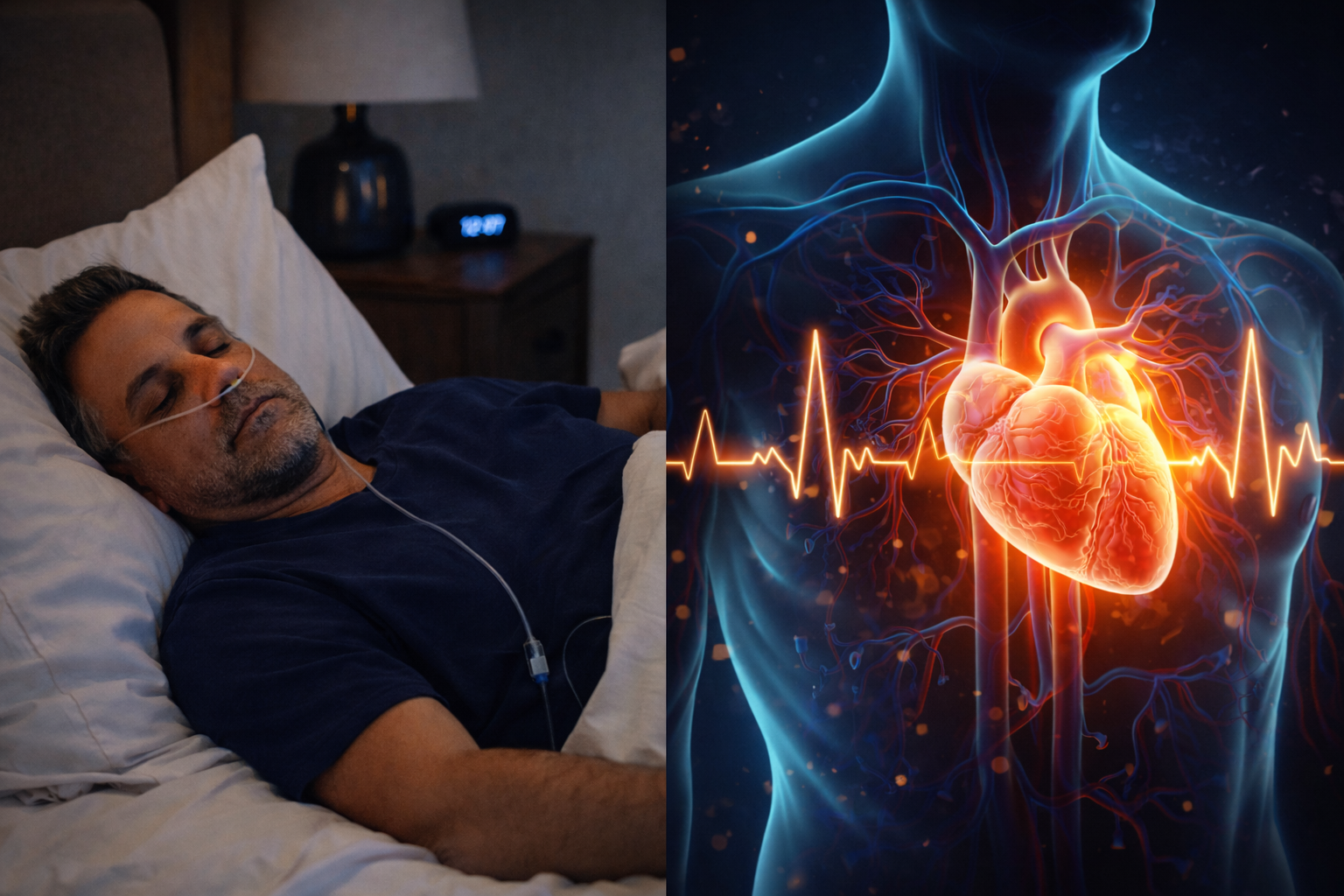
When people think about heart health, they usually picture cholesterol, blood pressure, exercise, and maybe family history. Sleep does not always make the list right away. But it should. The connection between sleep disorders and heart health is stronger than many patients realize, and it often gets overlooked until symptoms start affecting daily life in a bigger way. Conditions that interrupt breathing, fragment rest, or reduce sleep quality can do more than leave someone tired. Over time, they may also place extra strain on the cardiovascular system.
At El Paso Sleep Center, this matters because many people come in focused on snoring, fatigue, or poor concentration, without realizing that nighttime symptoms may have wider health implications. That is why sleep evaluations are not only about rest. They can also be an important part of protecting long-term wellness, especially for people already dealing with blood sugar concerns, elevated pressure readings, or other chronic conditions.
Why sleep matters more than people think
Sleep is not just downtime. It is part of how the body regulates recovery, hormone balance, stress response, and circulation. When rest is disrupted again and again, the body does not get the same chance to reset. That can influence inflammation, oxygen levels, and the way the heart and blood vessels function night after night. The American Heart Association notes that several sleep disorders have been linked to a higher risk of cardiovascular disease, not just because of tiredness, but because of how poor sleep affects the body overall.
This is one reason patients should not ignore common warning signs. If someone snores loudly, wakes up gasping, feels exhausted despite spending enough time in bed, or hears from a bed partner that breathing pauses happen during the night, that is worth paying attention to. Those signs may point to obstructive sleep apnea, which has well-established links to heart-related complications.
The cardiovascular piece is often the missing piece
Many patients are surprised to learn how significant sleep apnea cardiovascular risk can be. Obstructive sleep apnea has been associated with higher rates of high blood pressure, coronary artery disease, stroke, and heart failure-related changes. In simple terms, repeated breathing interruptions can stress the body over and over throughout the night, especially when oxygen drops and sleep becomes fragmented.
That repeated stress response matters. Each breathing event can trigger changes that activate the nervous system and make restful sleep harder to maintain. Over time, that pattern may contribute to a heavier burden on the heart. This does not mean every person with sleep apnea will develop heart disease, but it does mean untreated symptoms deserve real attention instead of being brushed off as “just snoring.”
It is not only about the heart
Another part of the conversation that deserves more attention is sleep and metabolic health. Sleep influences the systems involved in appetite regulation, insulin sensitivity, and energy balance. Research highlighted by NIH and CDC sources has linked poor sleep and sleep restriction with obesity, disrupted glucose metabolism, and a greater likelihood of metabolic problems over time.
That means a sleep problem may show up in ways people do not immediately connect to the bedroom. A patient may notice weight changes, rising glucose numbers, or worsening daytime fatigue without realizing sleep quality could be part of the story. When rest is consistently broken or shallow, the body can struggle to regulate itself the way it should.
Blood pressure and nighttime breathing are closely connected
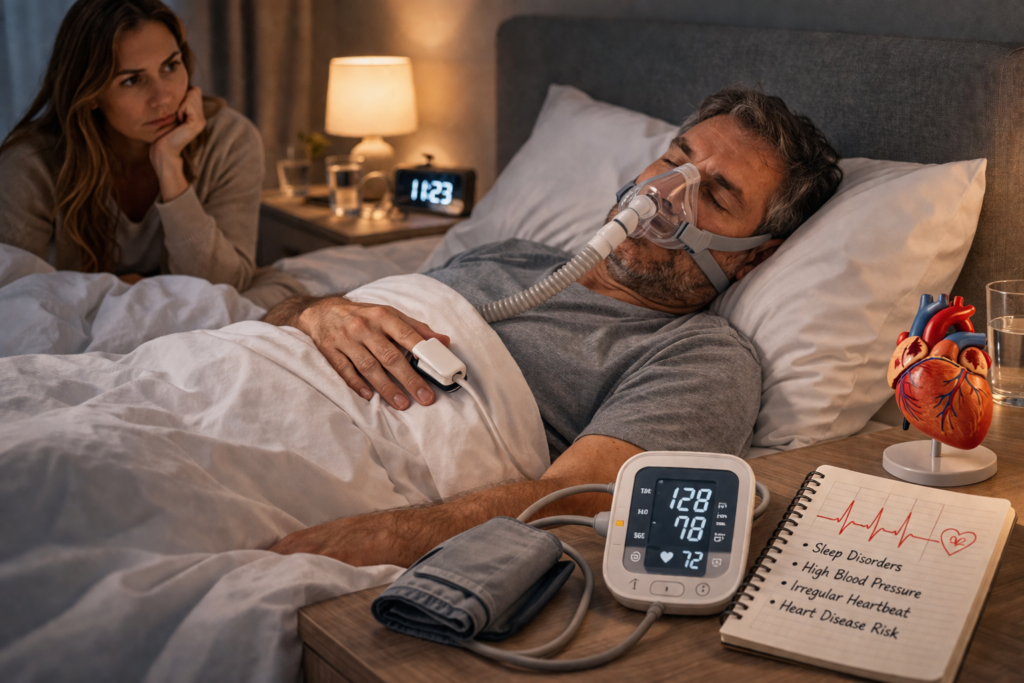
One of the clearest examples of this overlap is high blood pressure and sleep apnea. The American Heart Association and NHLBI both note that obstructive sleep apnea may increase the risk of developing hypertension, and it is especially common in people whose blood pressure is difficult to control. That makes sleep evaluation an important step for some patients who are already monitoring cardiovascular concerns.
For patients, this connection can be easy to miss because high blood pressure does not always feel dramatic. Many people do not notice symptoms day to day. Meanwhile, sleep-related breathing issues happen at night, when the person is not fully aware of them. That is why the overlap can go undiagnosed for a long time unless someone steps back and looks at the full picture.
The diabetes link deserves more attention too
There is also an important connection between sleep disorders and diabetes. NHLBI research has pointed to associations between sleep apnea and diabetes risk, and broader sleep research has shown that chronic sleep loss may contribute to poorer glucose regulation. That does not mean sleep is the only factor, of course, but it is one piece that should not be overlooked in patients already trying to manage their metabolic health.
For many adults, this becomes a cycle. Poor rest can make it harder to maintain energy, stick to routines, and feel physically well during the day. At the same time, underlying metabolic issues may coexist with sleep-disordered breathing. When those patterns reinforce each other, patients can end up feeling worn down without knowing which issue came first.
What happens when symptoms are ignored
A lot of people put off evaluation because they assume fatigue is normal, or because they think snoring is more annoying than serious. The concern is that the long term effects of untreated sleep apnea may go beyond daytime tiredness. NIH and American Heart Association resources describe links between untreated cases and increased risk for high blood pressure, heart disease, stroke, diabetes, and worsening heart function.
This is exactly why “waiting to see if it gets better” is not always the best approach. The body can spend months or years compensating for disrupted breathing during sleep. By the time a patient feels truly overwhelmed, the condition may already be affecting several areas of health at once. Getting answers earlier can make the next steps much clearer.
Signs patients should take seriously
If any of this sounds familiar, it may be worth looking more closely at your sleep patterns. Common red flags include:
- Loud, regular snoring
- Gasping or choking during the night
- Morning headaches
- Waking up unrefreshed
- Excessive daytime fatigue
- Trouble focusing at work or while driving
- Irritability or mood changes
- A history of elevated blood pressure or blood sugar concerns alongside poor sleep
These signs do not automatically confirm one diagnosis, but they do suggest that sleep quality deserves attention, especially when symptoms keep showing up.
Why a sleep evaluation can be a smart next step
A proper sleep evaluation helps move the conversation from guesswork to clarity. Instead of assuming that snoring is harmless or that fatigue is simply part of a busy life, testing can help identify what is actually happening during the night. That matters because treatment decisions are much more effective when they are based on a real diagnosis.
At El Paso Sleep Center, that kind of evaluation can help patients better understand how their nighttime symptoms may connect to daytime health. For someone concerned about heart wellness, blood pressure, or metabolic issues, sleep may be one of the missing pieces. Addressing it does not replace cardiology or primary care, but it can absolutely support the bigger picture.
Final Thoughts
Sleep problems are easy to minimize when life is busy, but that does not make them harmless. If your nights are restless and your days feel harder than they should, it is worth taking that seriously. Better sleep is not only about feeling more rested in the morning. It can be part of supporting your energy, your daily functioning, and your overall health in a much more meaningful way.