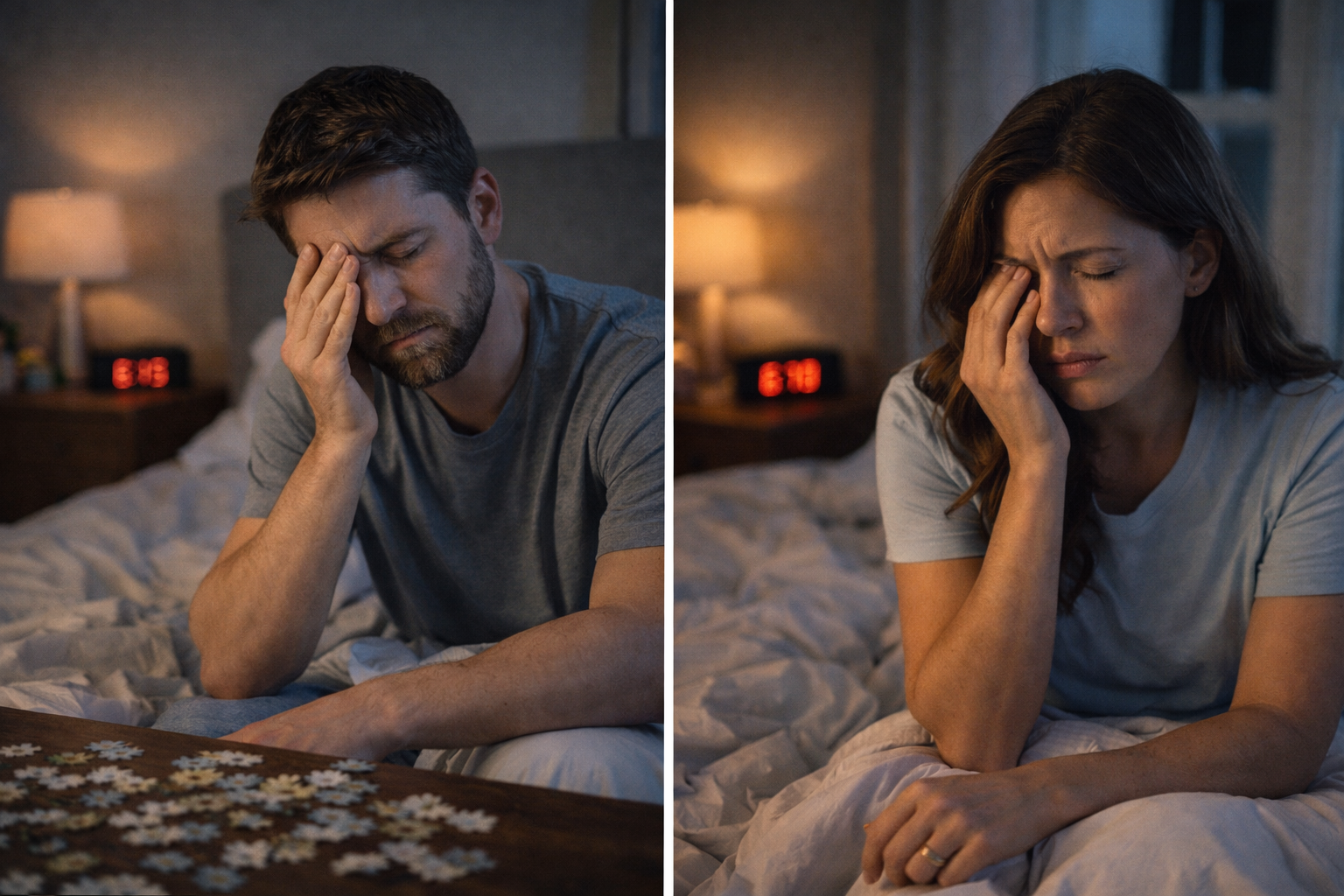
Waking up after a full night in bed should feel refreshing—but for many people, mornings begin with fatigue, brain fog, and a sense that sleep simply didn’t do its job. If you find yourself dragging through the day despite spending enough hours asleep, you may be experiencing a deeper issue related to how your body cycles through rest.
Understanding why sleep sometimes fails to restore energy is the first step toward reclaiming healthier nights and more productive days. At El Paso Sleep Center, we help patients uncover the hidden causes behind chronic tiredness and guide them toward effective, science-backed solutions.
What Does It Mean When Sleep Isn’t Restorative?
Sleep is not just about quantity—it’s about quality. Even if you sleep seven to nine hours, frequent interruptions or imbalances in sleep stages can prevent your brain and body from fully recovering. This phenomenon is often referred to as non restorative sleep, a condition where rest fails to leave you feeling refreshed.
During healthy sleep, the body cycles through light sleep, deep sleep, and REM stages. Each plays a critical role in physical repair, memory consolidation, and emotional regulation. When these cycles are disrupted, the restorative benefits of sleep are significantly reduced.
Common Signs Your Sleep Isn’t Recharging You
People often normalize chronic fatigue, assuming stress or aging is to blame. However, persistent symptoms may signal an underlying sleep issue.
Common warning signs include:
- Struggling to get out of bed despite adequate sleep time
- Feeling mentally sluggish or unfocused in the morning
- Low energy that persists throughout the day
- Increased irritability or mood changes
- The sense of sleep not feeling refreshed
If these symptoms sound familiar, your sleep architecture may be compromised.
Why Do You Keep Waking Up Exhausted?
One of the most frustrating complaints sleep specialists hear is waking up tired every day without an obvious explanation. Several factors can interfere with restful sleep, even when bedtime routines seem healthy.
Disrupted Sleep Cycles
Repeated awakenings—whether or not you remember them—can fragment sleep and prevent sustained deep sleep. This ongoing sleep disruption may be caused by breathing irregularities, environmental noise, or neurological arousals.
Undiagnosed Sleep Disorders
Conditions such as sleep apnea, insomnia, or restless legs syndrome often go unnoticed but can dramatically impact sleep quality. These disorders repeatedly pull the brain out of restorative stages, even if total sleep time appears normal.
Lifestyle and Health Factors
Many poor sleep causes are linked to everyday habits, including:
- Excess caffeine or alcohol consumption
- Irregular sleep schedules
- Chronic stress or anxiety
- Certain medications
- Hormonal imbalances
Over time, these factors train the body to remain in a semi-alert state during sleep.

The Hidden Impact of Unrefreshing Sleep
Living with unrefreshing sleep doesn’t just make mornings harder—it can affect nearly every aspect of health and well-being.
Cognitive and Emotional Effects
- Reduced concentration and memory
- Slower reaction times
- Increased risk of anxiety and depression
Physical Health Consequences
- Weakened immune response
- Increased inflammation
- Higher risk of cardiovascular and metabolic conditions
Daily Performance Issues
- Lower productivity at work or school
- Decreased motivation for exercise or social activities
- Greater reliance on caffeine or stimulants
Over time, these effects can compound, making it harder to break the cycle without professional intervention.
When to Consider a Sleep Evaluation
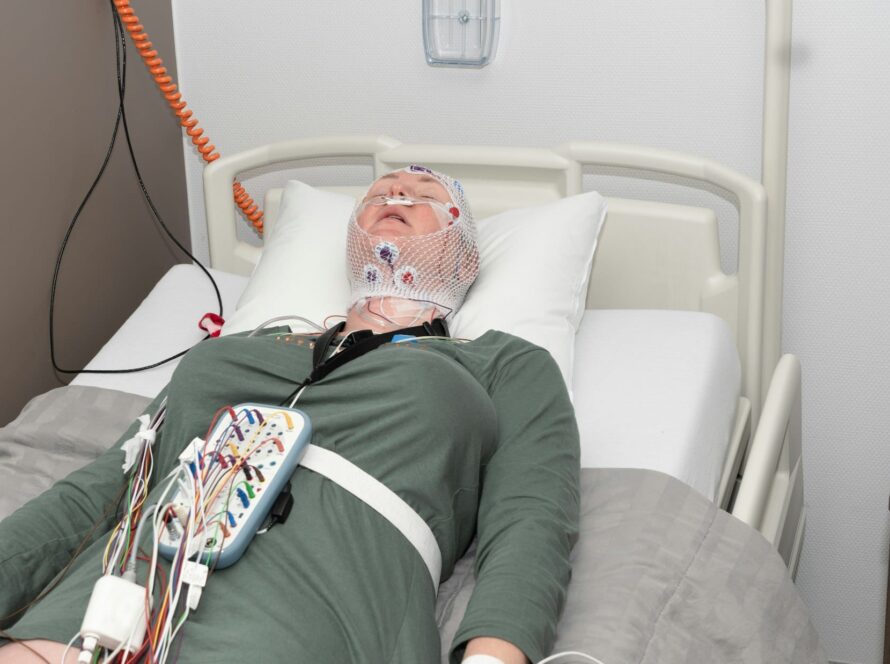
If fatigue persists despite good sleep habits, it may be time for a comprehensive sleep assessment. Sleep specialists can evaluate breathing patterns, brain activity, and movement during sleep to identify subtle issues that standard checkups often miss.
At El Paso Sleep Center, diagnostic testing allows us to determine whether your sleep cycles are being interrupted—and why. Identifying the root cause is essential for creating a treatment plan that restores true rest, not just longer sleep hours.
Steps Toward More Restorative Sleep
Improving sleep quality often requires a combination of medical insight and lifestyle adjustments.
Helpful strategies may include:
- Establishing consistent sleep and wake times
- Creating a dark, quiet, and cool sleep environment
- Managing stress through relaxation techniques
- Treating underlying sleep disorders with targeted therapies
- Reviewing medications that may affect sleep stages
Personalized care ensures that treatment addresses your specific sleep pattern rather than offering one-size-fits-all advice.
How El Paso Sleep Center Can Help
Persistent fatigue is not something you have to accept. Our team specializes in diagnosing and treating sleep conditions that interfere with deep, restorative rest. Through advanced testing and individualized care, we help patients understand what’s happening during their sleep—and how to fix it.
Better sleep leads to clearer thinking, improved mood, stronger health, and more energized days.
Conclusion
Waking up tired is not normal, and it’s not something you should ignore. When sleep fails to restore your energy, it’s often a sign that your body isn’t moving through the stages of rest it needs to heal and reset. With the right evaluation and support, truly refreshing sleep is possible. Understanding the causes behind your fatigue is the first step toward nights that restore and mornings that feel renewed.