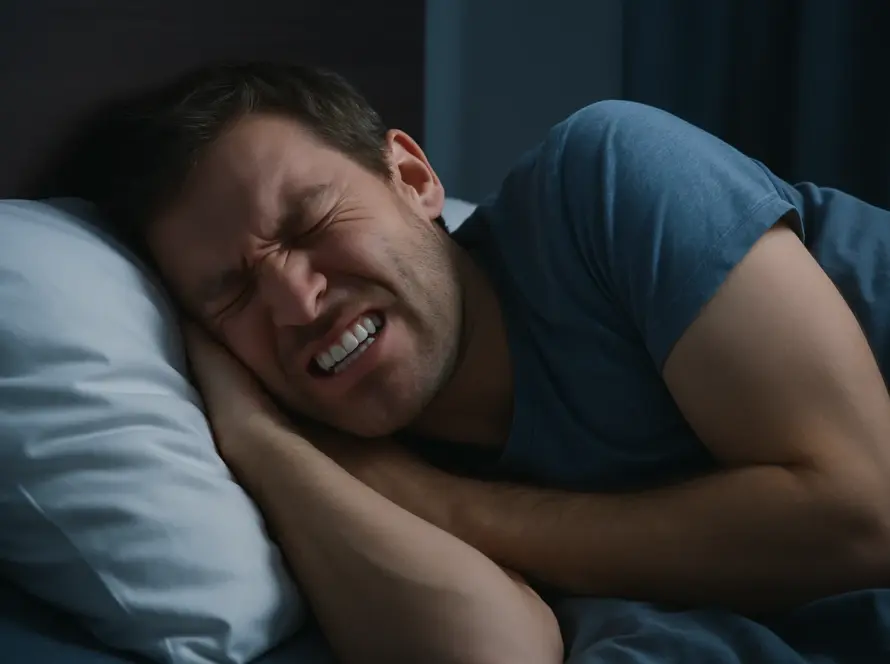
Snoring is often dismissed as an annoying but harmless habit—something that disrupts a partner’s sleep but poses little real danger. However, the relationship between snoring and sleep apnea reveals a much more serious picture. For many individuals, snoring is not just noise; it is a warning signal that breathing is repeatedly compromised during sleep. At El Paso Sleep Center, we help patients recognize when snoring crosses the line from nuisance to health concern.
Understanding what snoring really means, why it happens, and when it requires medical attention can be life-changing. Left untreated, sleep apnea increases the risk of serious health complications that extend far beyond poor sleep quality.
Why Do People Snore?
Snoring occurs when airflow is partially blocked as air moves through relaxed tissues in the throat. These tissues vibrate, creating the familiar sound. While occasional snoring can happen to anyone, persistent or loud snoring often points to an underlying problem.
Some of the most common loud snoring causes include:
- Relaxation of throat muscles during sleep
- Nasal congestion or structural airway issues
- Excess weight around the neck and airway
- Alcohol consumption before bedtime
- Sleeping on the back
- Enlarged tonsils or tongue
While these factors may seem benign, they can significantly increase the likelihood of airway collapse during sleep.
Snoring vs. Sleep Apnea: What’s the Difference?
Not all snoring indicates sleep apnea, but nearly all patients with obstructive sleep apnea snore. The key difference lies in what happens to breathing during the night. In sleep apnea, the airway becomes repeatedly blocked, reducing or stopping airflow altogether.
These blockages lead to breathing interruptions during sleep, forcing the brain to briefly wake the body to restore airflow. These awakenings are often so brief that the individual has no memory of them—yet they may occur dozens or even hundreds of times per night.
Recognizing the Signs of Sleep Apnea
Because awakenings are usually unconscious, many people are unaware they have a problem. Identifying the signs of sleep apnea is critical for early diagnosis and treatment.
Common warning signs include:
- Loud, chronic snoring
- Gasping or choking sounds at night
- Pauses in breathing observed by a bed partner
- Excessive daytime sleepiness
- Morning headaches
- Difficulty concentrating
- Irritability or mood changes
- Dry mouth or sore throat upon waking
These symptoms often worsen gradually, making them easy to ignore until significant health effects appear.
How Breathing Interruptions Affect the Body
Each pause in breathing triggers a stress response. Oxygen levels drop, heart rate increases, and blood pressure spikes. Over time, repeated breathing interruptions during sleep prevent the body from entering deep, restorative sleep stages.
This ongoing strain can lead to:
- Chronic fatigue
- Reduced immune function
- Elevated stress hormone levels
- Increased inflammation
- Impaired cognitive performance
The body never fully recovers overnight, even after many hours in bed.
Obstructive Sleep Apnea Symptoms Explained
The most common form of sleep apnea is obstructive sleep apnea, which occurs when throat muscles collapse during sleep. Obstructive sleep apnea symptoms often extend beyond nighttime breathing issues and affect overall daytime functioning.
These symptoms may include:
- Persistent exhaustion despite adequate sleep time
- Reduced productivity at work
- Increased risk of accidents
- Memory and attention difficulties
- Decreased exercise tolerance
- Reduced quality of life
Because symptoms overlap with stress or aging, many patients delay seeking help for years.

When Snoring Becomes Dangerous
Understanding when snoring is dangerous can help prevent serious health consequences. Snoring should be taken seriously if it is:
- Loud enough to be heard through walls
- Accompanied by gasping or choking sounds
- Associated with breathing pauses
- Linked to excessive daytime sleepiness
- Present alongside high blood pressure
- Worsening over time
In these cases, snoring is no longer a benign annoyance—it is a signal that the airway is repeatedly collapsing and oxygen levels are fluctuating during sleep.
Health Risks of Untreated Sleep Apnea
When sleep apnea remains undiagnosed or untreated, its effects extend far beyond disrupted sleep. Chronic oxygen deprivation and sleep fragmentation increase the risk of:
- High blood pressure
- Heart disease and stroke
- Type 2 diabetes
- Weight gain and metabolic disorders
- Depression and anxiety
- Cognitive decline
These risks make early evaluation and treatment essential—not optional.
Why Snoring Often Goes Untreated
Many individuals avoid seeking help because they believe snoring is normal or simply a personal inconvenience. Others may feel embarrassed or assume that nothing can be done.
Common reasons snoring goes untreated include:
- Lack of awareness of health risks
- Normalization of symptoms
- Fear of sleep studies or medical devices
- Underestimating daytime consequences
Education plays a crucial role in changing these perceptions and encouraging proactive care.
Diagnosing Sleep Apnea
A proper sleep evaluation is the only way to determine whether snoring is related to sleep apnea. Diagnostic testing may include at-home sleep testing or in-lab sleep studies, depending on symptoms and medical history.
At El Paso Sleep Center, evaluations focus on identifying the root cause of symptoms and determining the most appropriate diagnostic pathway. Early diagnosis allows for targeted treatment that can dramatically improve sleep quality and long-term health.
Treatment Options for Sleep Apnea
Treatment is highly individualized and may include:
- Positive airway pressure (PAP) therapy
- Oral appliance therapy
- Weight management strategies
- Positional therapy
- Lifestyle and sleep habit changes
Most patients notice improvements in energy, focus, and overall well-being shortly after beginning treatment.
Conclusion
Snoring should never be ignored when it becomes persistent, loud, or accompanied by other symptoms. What may seem like a minor nighttime disturbance can signal a serious sleep disorder with long-term health consequences. By recognizing warning signs and seeking timely evaluation, individuals can protect their health, restore restful sleep, and significantly improve quality of life. Addressing snoring early is not just about quieter nights—it is about safer, healthier days.