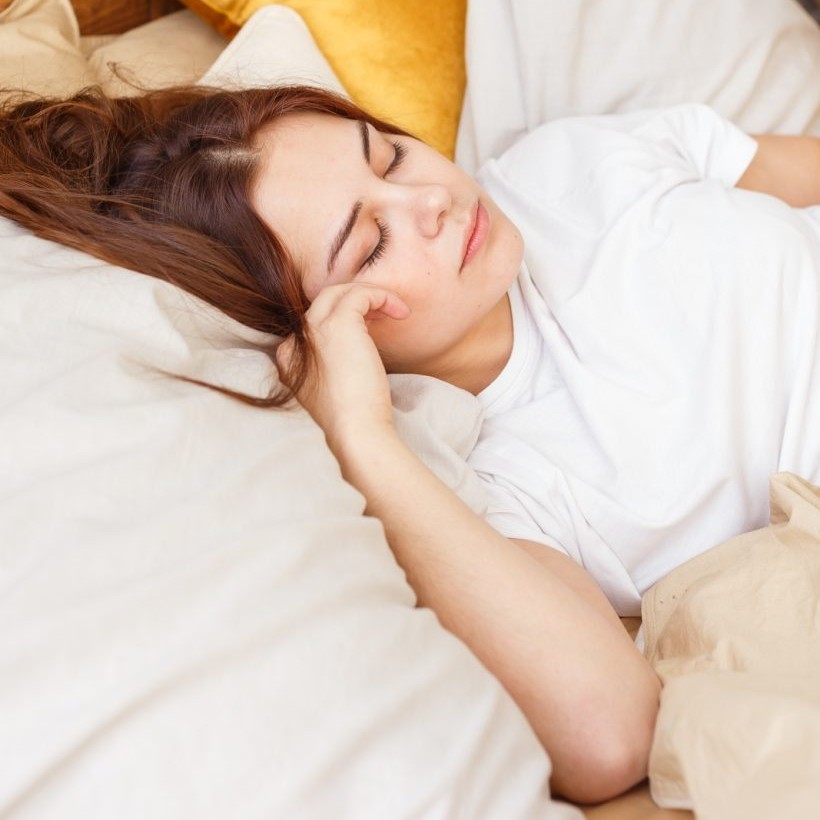
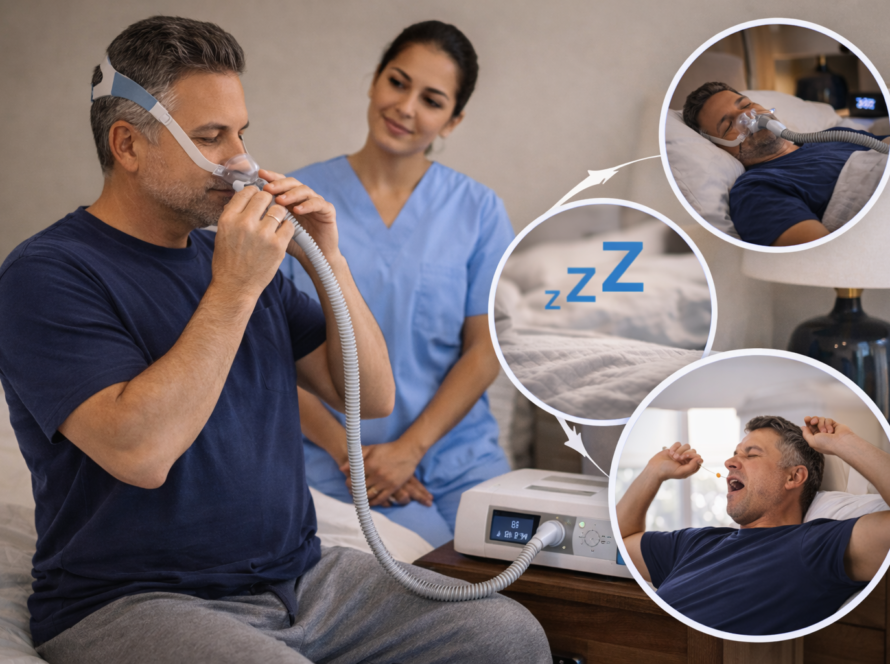
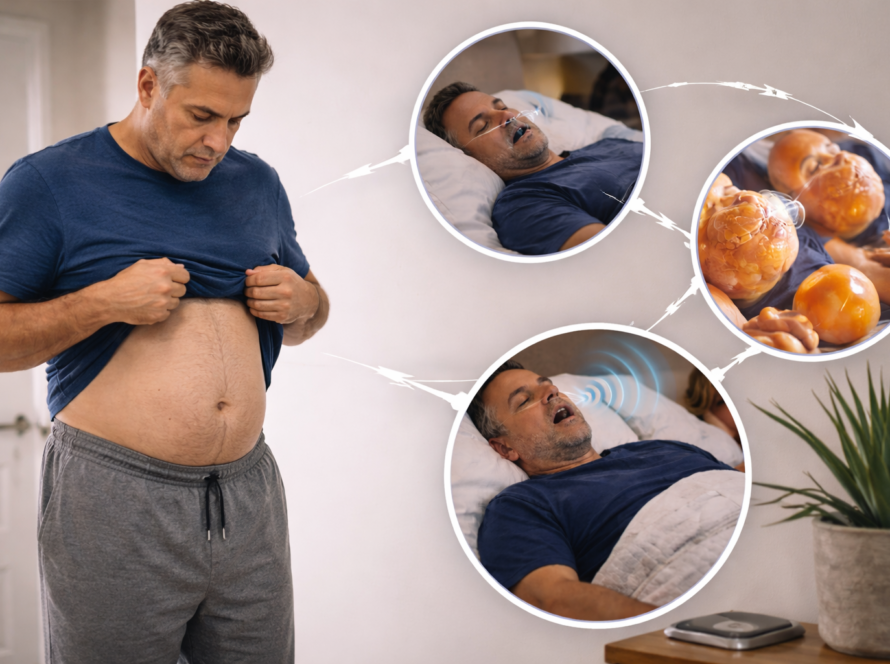
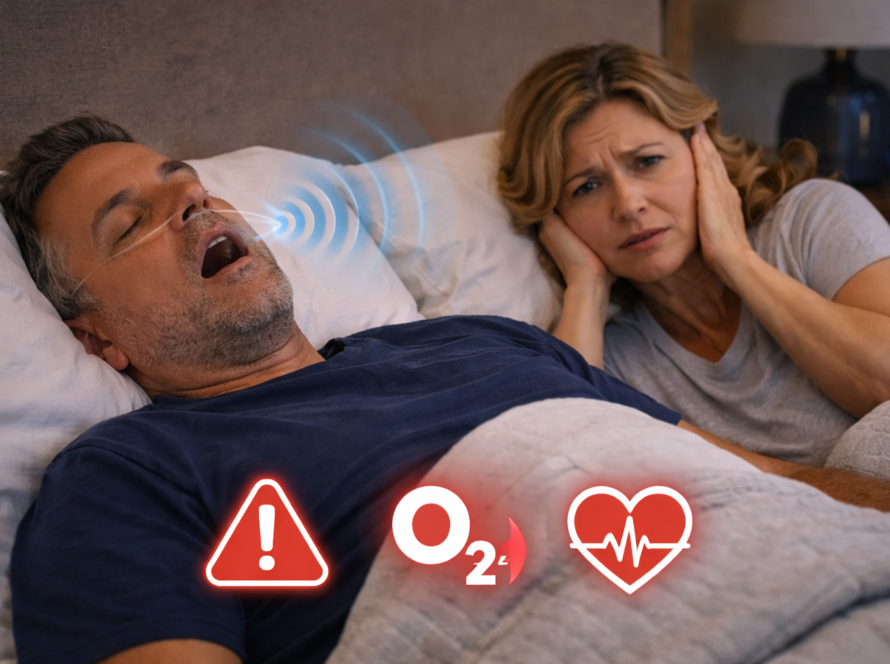
Sleep challenges in women often begin early in life and change across different stages due to hormonal shifts. Fluctuations in estrogen and progesterone during the menstrual cycle, pregnancy, and menopause can significantly affect sleep quality, depth, and duration. Women are more likely than men to experience insomnia and restless legs syndrome, and many cases of obstructive sleep apnea go undiagnosed in women. At El Paso Sleep Center, we understand how these unique factors impact sleep and overall health, and we provide specialized care tailored to women’s needs.
Because sleep disorders may present differently in women, accurate diagnosis often requires a specialized and comprehensive sleep evaluation.
Healthy sleep habits—such as maintaining a consistent sleep schedule, limiting caffeine, creating a comfortable sleep environment, managing stress, and getting regular exercise—can improve sleep quality. However, persistent fatigue, insomnia, or mood changes should not be ignored.
Women who experience ongoing sleep problems or symptoms such as loud snoring, daytime sleepiness, or depression may benefit from a professional sleep evaluation. At El Paso Sleep Center, our specialists help identify underlying sleep disorders and guide personalized treatment to restore restful, restorative sleep.
Women often report poorer sleep quality than men, particularly during pregnancy and after menopause.
Hormonal and Physical Factors
Hormonal changes, hot flashes, night sweats, weight gain, stress, anxiety, depression, and chronic pain conditions such as arthritis can all disrupt sleep.
Postpartum Sleep Disruption
Postpartum sleep disruption caused by hormone changes and infant care may also contribute to fatigue and mood disorders, including postpartum depression.
Increased Risk of Sleep Disorders
These factors increase the risk of insomnia, sleep apnea, and restless legs syndrome.
Sleep Health Insights
Expert Articles on Sleep Disorders, Treatments & Better Rest