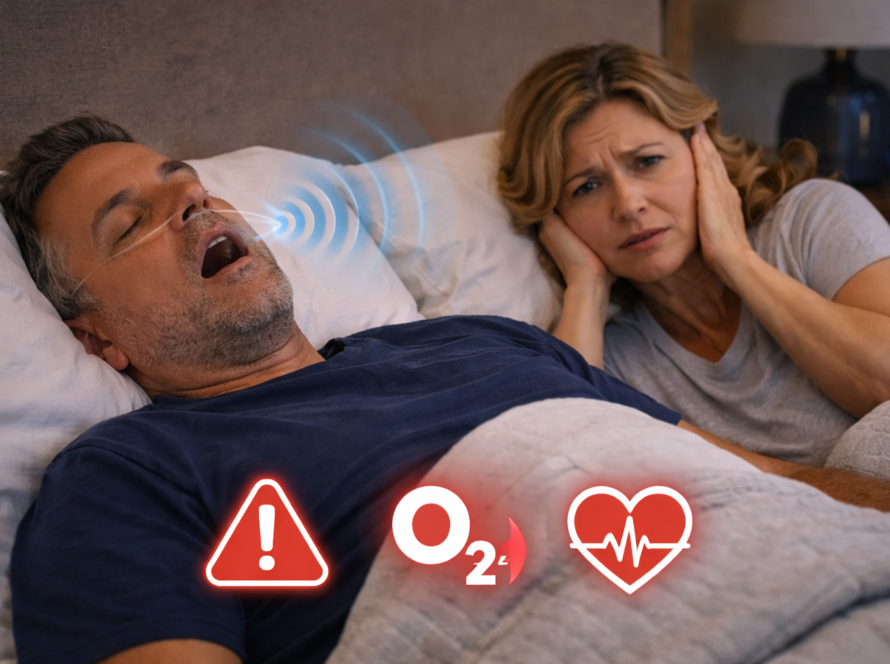
Parasomnias are sleep disorders that involve unwanted behaviors, movements, or experiences that occur while falling asleep, during sleep, or upon waking. These episodes happen when sleep and wakefulness overlap, often without the person being aware of what occurred or remembering it the next day. Parasomnias can disrupt sleep quality, cause safety concerns, and impact overall well-being. At El Paso Sleep Center, we help identify the cause of parasomnias and guide appropriate treatment.
Because parasomnias can vary widely in type and severity, a thorough sleep evaluation is essential to determine contributing factors and rule out other sleep conditions.
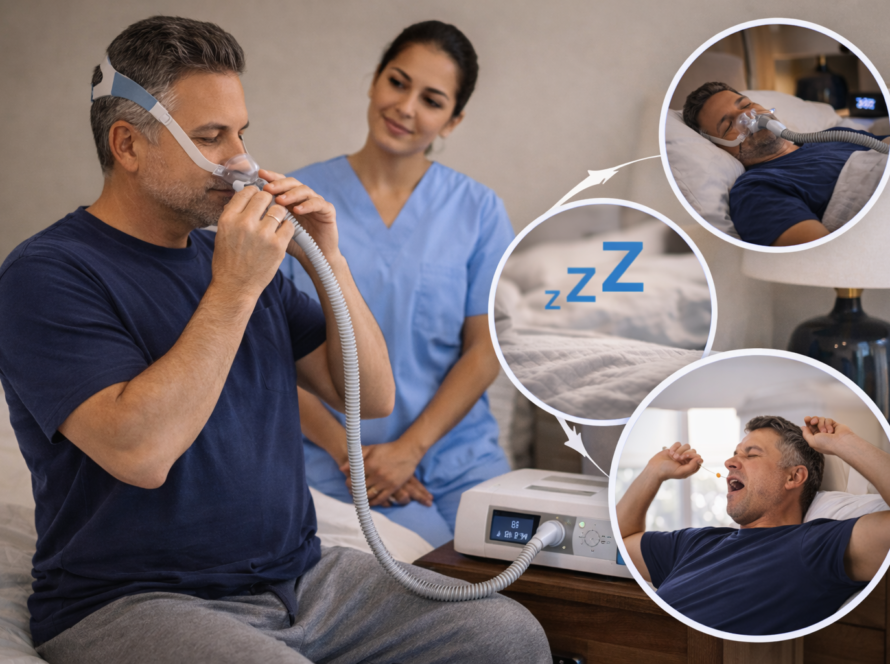
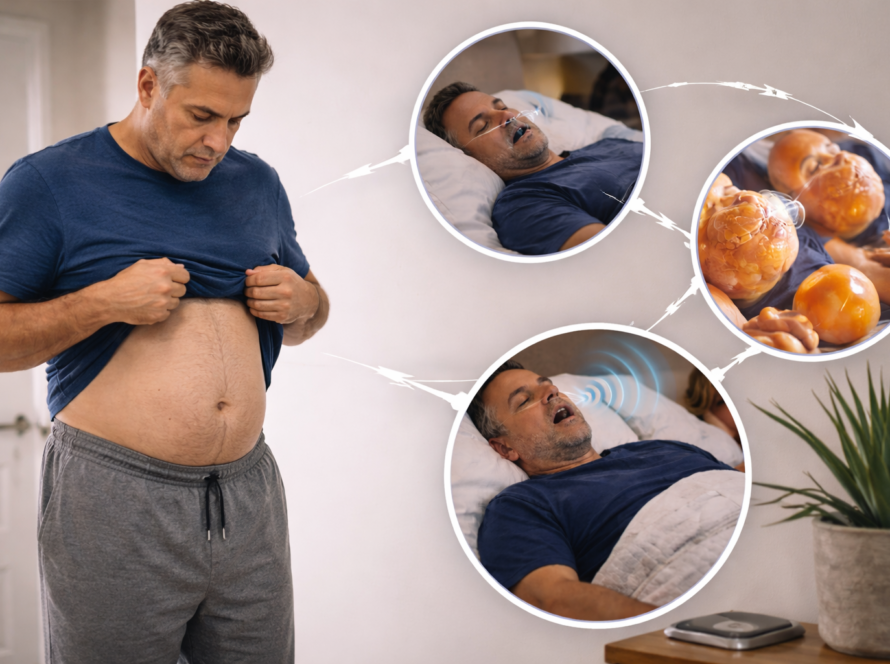
Parasomnias often have a genetic component and are more common in children, though adults may also be affected. Triggers can include sleep deprivation, stress, trauma, medications, or untreated sleep disorders such as obstructive sleep apnea.
Treatment may involve behavioral therapy, medication when appropriate, improving sleep hygiene, managing stress, treating underlying sleep conditions, and creating a safe sleep environment. Early evaluation by a sleep specialist can help reduce nighttime disruptions and improve sleep safety.
Common types include confusional arousals with mental confusion, sleepwalking, sleep terrors, bedwetting, sleep-related eating, and recurrent sleep paralysis.
REM-Related Parasomnias
These include REM Sleep Behavior Disorder (acting out dreams), nightmare disorder, and sleep-related hallucinations.
Other Sleep Phenomena
Exploding Head Syndrome.
Importance of Proper Evaluation
Each type varies in severity and underlying cause, making proper evaluation essential.
Sleep Health Insights
Expert Articles on Sleep Disorders, Treatments & Better Rest