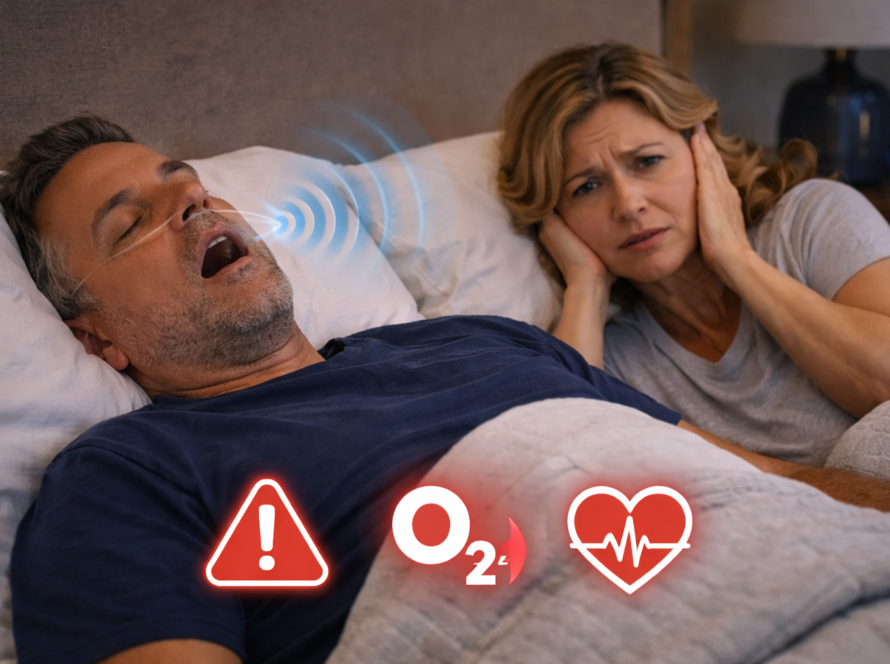
Obstructive Sleep Apnea (OSA) is a chronic sleep disorder that occurs when the airway becomes partially or fully blocked during sleep, limiting airflow to the lungs. These repeated breathing interruptions reduce oxygen levels and fragment sleep throughout the night—often without the person realizing it. Over time, OSA can lead to excessive daytime sleepiness, poor sleep quality, and serious health complications. At El Paso Sleep Center, we specialize in accurate diagnosis and personalized treatment for obstructive sleep apnea.
Because OSA can vary in severity and presentation, a comprehensive sleep evaluation is essential to determine the extent of airway obstruction and guide appropriate care.
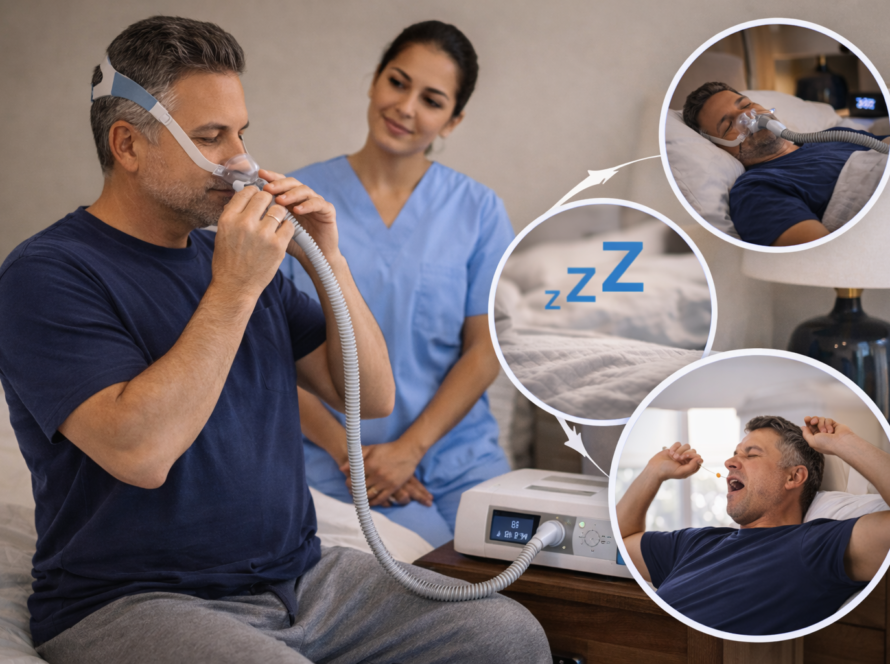
The good news is that obstructive sleep apnea is highly treatable. At El Paso Sleep Center, treatment plans are tailored to your diagnosis, symptoms, and overall health. Options may include CPAP therapy to keep the airway open, oral appliances to reposition the jaw, positional therapy, upper airway stimulation for CPAP-intolerant patients, lifestyle changes such as weight management, or surgical options in select cases.
Early diagnosis and treatment can restore healthy sleep, improve daily energy, and reduce long-term health risks. Ongoing follow-up and personalized support are essential for successful treatment outcomes. Our team works closely with patients to monitor progress, adjust therapies as needed, and ensure long-term comfort and effectiveness, helping patients achieve lasting improvements in sleep quality and overall well-being.
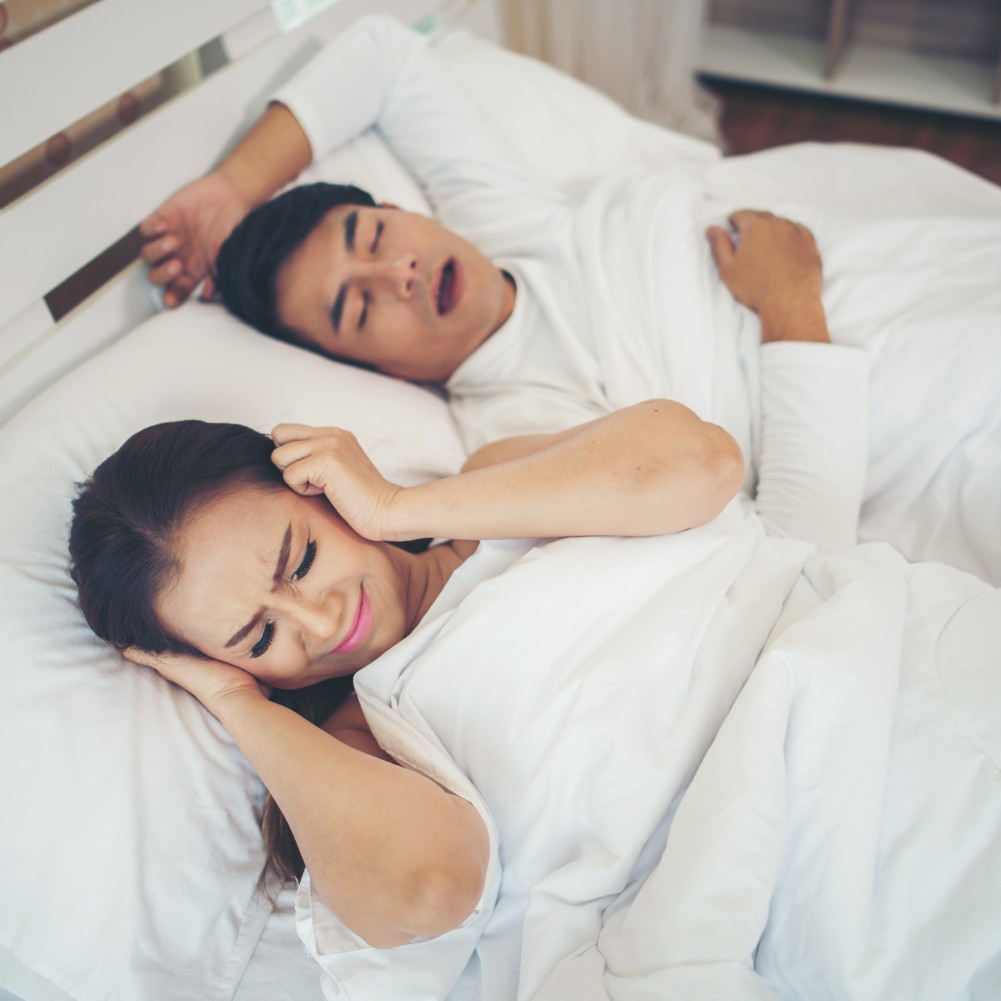
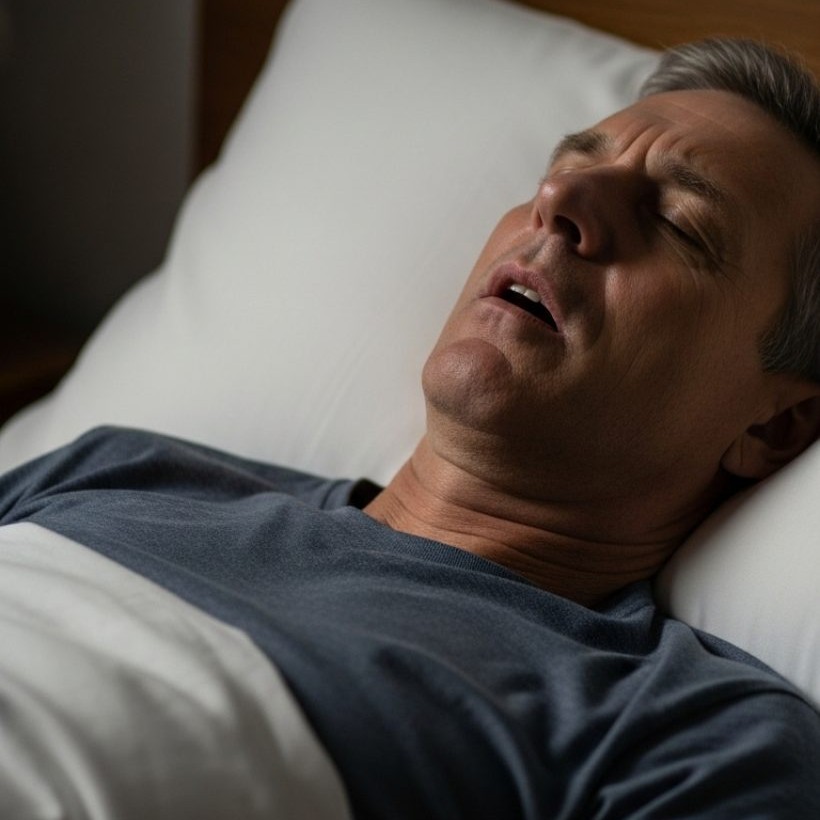
Obstructive sleep apnea can significantly affect both sleep and overall health. Common symptoms include loud or chronic snoring, pauses in breathing during sleep, and gasping or choking at night.
Daytime Effects
Additional symptoms may include excessive daytime fatigue, morning headaches, and difficulty concentrating.
Health Risks if Untreated
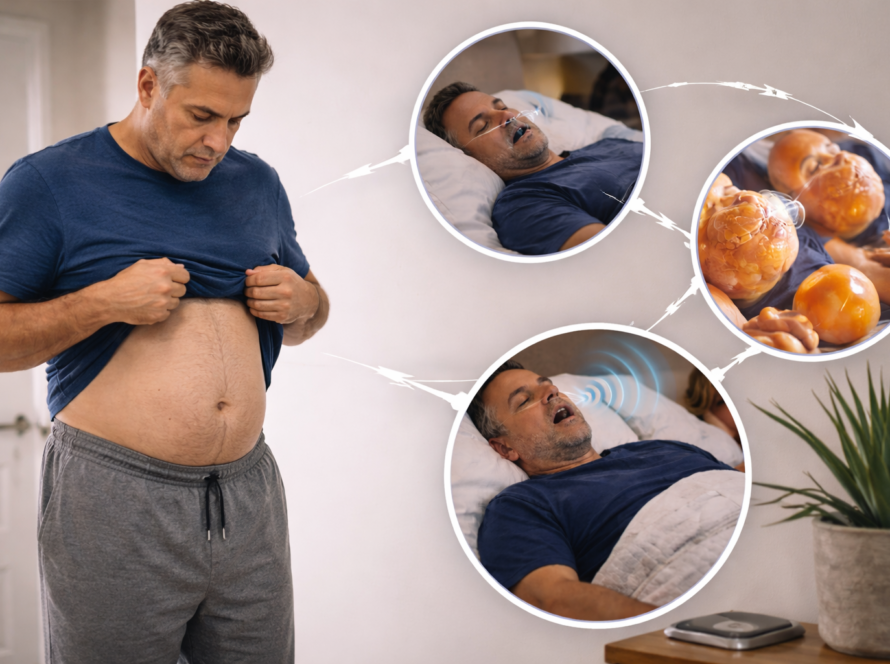
If left untreated, OSA increases the risk of high blood pressure, heart disease, stroke, Type 2 diabetes, mood changes, depression, and reduced quality of life.
Sleep Health Insights
Expert Articles on Sleep Disorders, Treatments & Better Rest