Cancer and its treatments can significantly disrupt sleep quality and duration. Emotional stress, physical symptoms, and medication side effects often lead to insomnia and ongoing sleep disturbances—sometimes lasting long after treatment ends. Quality sleep plays a vital role in healing, immune function, and emotional well-being during and after cancer care. At El Paso Sleep Center, we help patients identify sleep challenges and support healthier, more restorative rest.
Sleep disturbances related to cancer are often complex and may require specialized evaluation to understand contributing factors and severity. A comprehensive sleep assessment allows specialists to develop personalized strategies that address each patient’s unique needs.
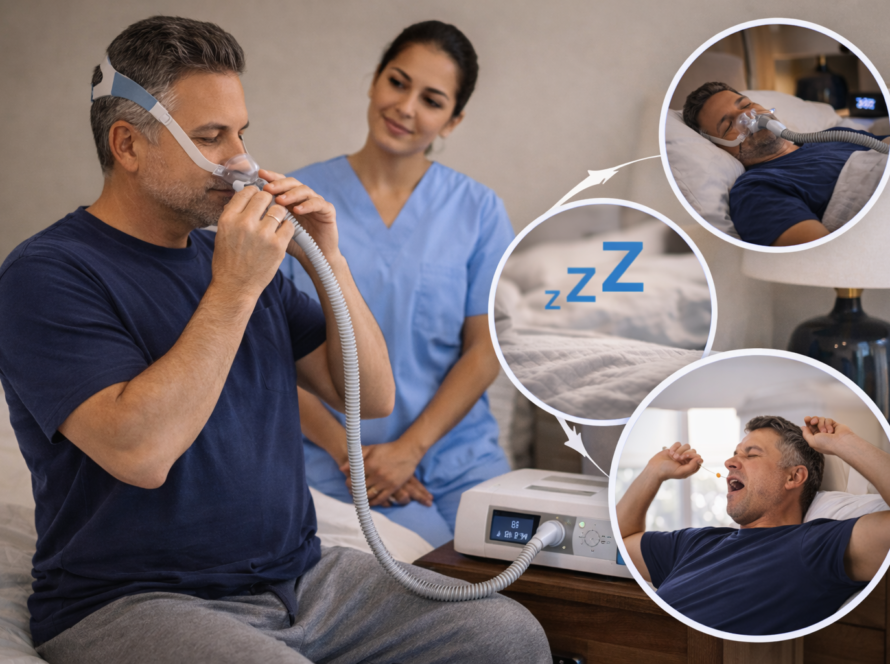
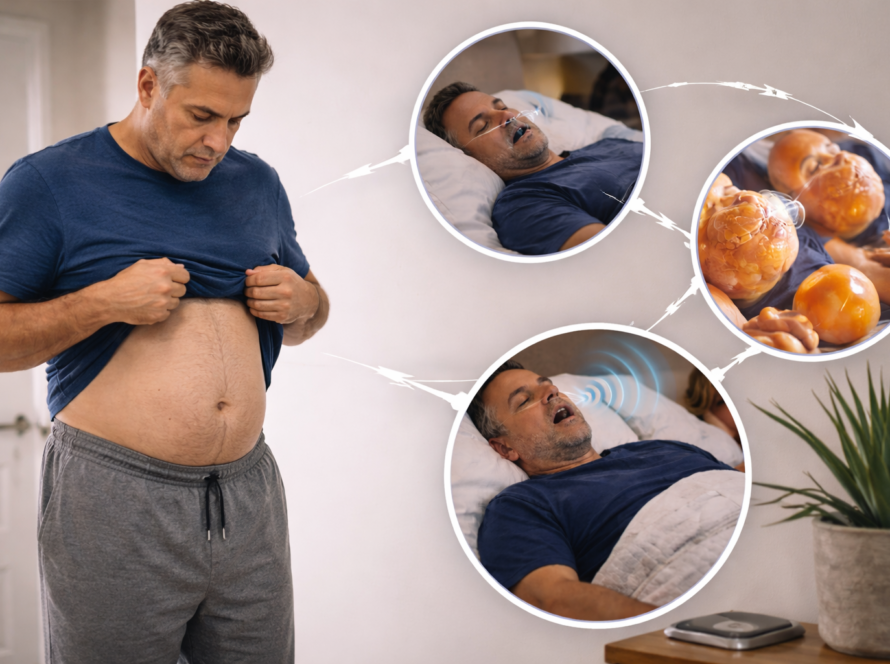
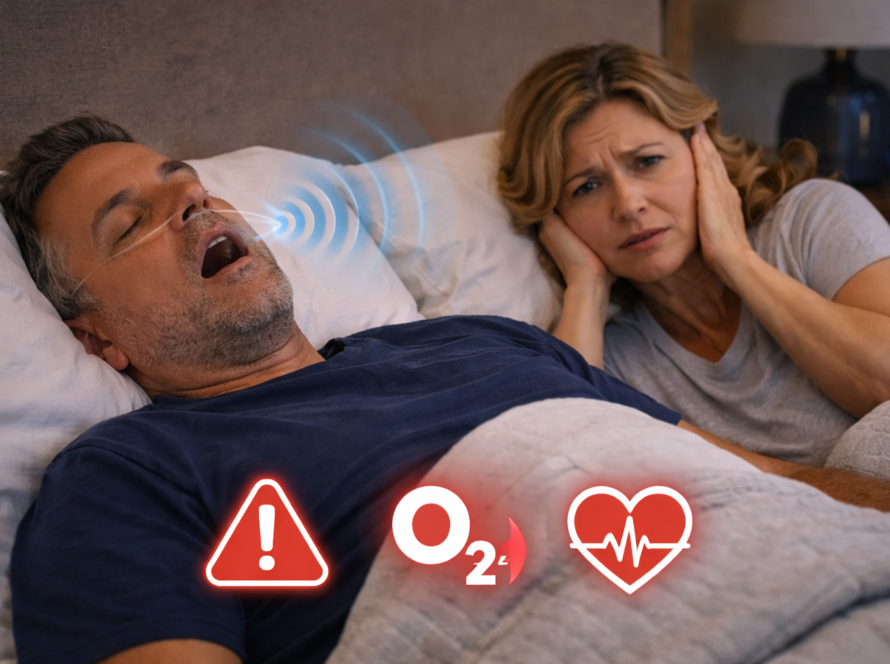
Poor sleep can negatively affect recovery, quality of life, and the body’s ability to cope with cancer treatment. Addressing sleep issues early may improve energy levels, mood, and overall health. Supportive strategies may include improving sleep habits, managing symptoms with your care team, adjusting medications, staying physically active when possible, and evaluating for sleep disorders such as sleep apnea.
At El Paso Sleep Center, we work alongside your healthcare providers to evaluate sleep concerns and recommend appropriate testing or next steps to support restorative sleep. Sleep challenges during cancer care are often complex and may change over time. A comprehensive sleep evaluation allows specialists to identify contributing factors and provide individualized recommendations, helping patients achieve better sleep quality.
Sleep problems during cancer may be caused or worsened by pain, nausea, fatigue, anxiety, depression, and emotional stress.
Treatment-Related Influences
Medications such as steroids, night sweats or hot flashes, daytime fatigue with excessive napping, and reduced physical activity can also interfere with sleep.
Impact on Sleep Quality
These factors often make it difficult to fall asleep, stay asleep, or wake up feeling rested.
Sleep Health Insights
Expert Articles on Sleep Disorders, Treatments & Better Rest