Skip to content Skip to footer

What Is Sleep Apnea?

Pediatric sleep apnea is a sleep disorder in which a child’s breathing repeatedly pauses during sleep due to a narrowed or partially blocked airway. These interruptions prevent restful sleep and may impact a child’s growth, behavior, learning, and overall development. At El Paso Sleep Center, early evaluation helps protect your child’s long-term health.

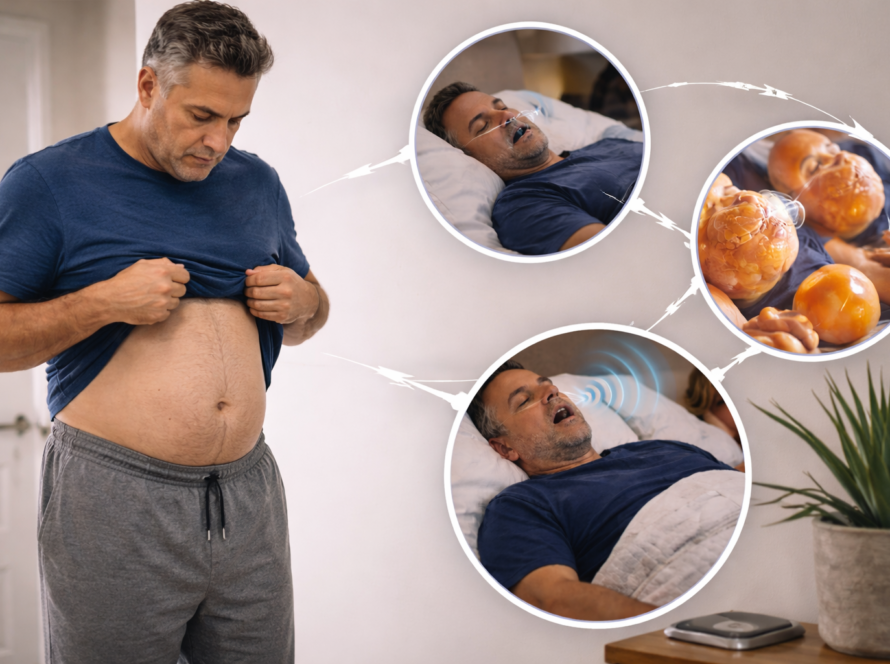
Pediatric sleep apnea is often linked to physical or developmental factors that interfere with normal airflow, including enlarged tonsils or adenoids, narrow airways, small jaw structure, obesity, or poor muscle tone. The condition affects an estimated 1% to 4% of children, most commonly between the ages of 2 and 8.

Why Early Diagnosis & Treatment Matter

Without treatment, pediatric sleep apnea may lead to hyperactivity, learning difficulties, behavioral changes, poor academic performance, delayed growth, and long-term cardiovascular risks.

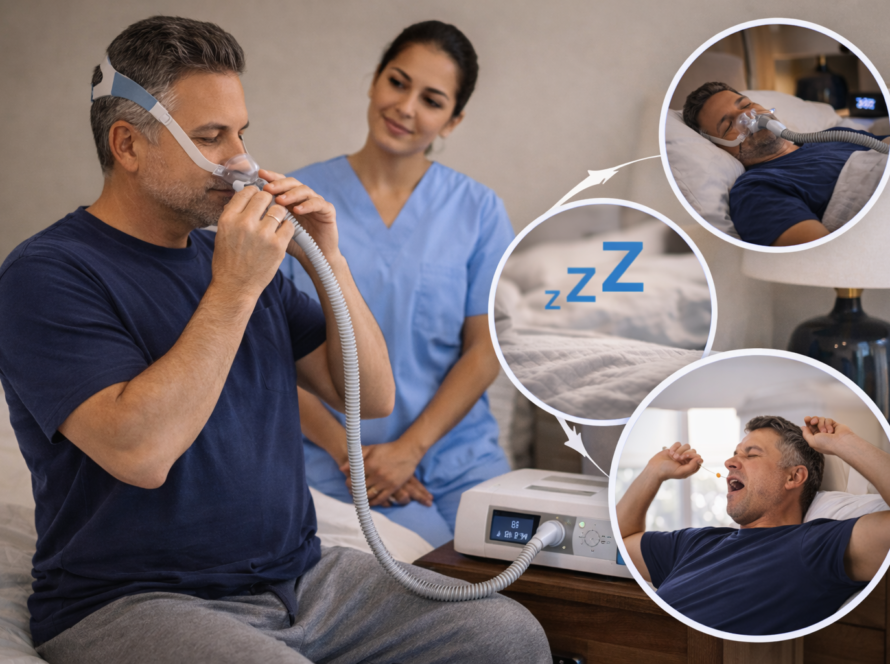
Treatment options may include tonsil and adenoid removal, CPAP therapy, weight management, or treatment of related conditions such as allergies or asthma. Our specialists develop personalized care plans to help children achieve healthy, restorative sleep.

Common Signs & Symptoms

Nighttime Indicators

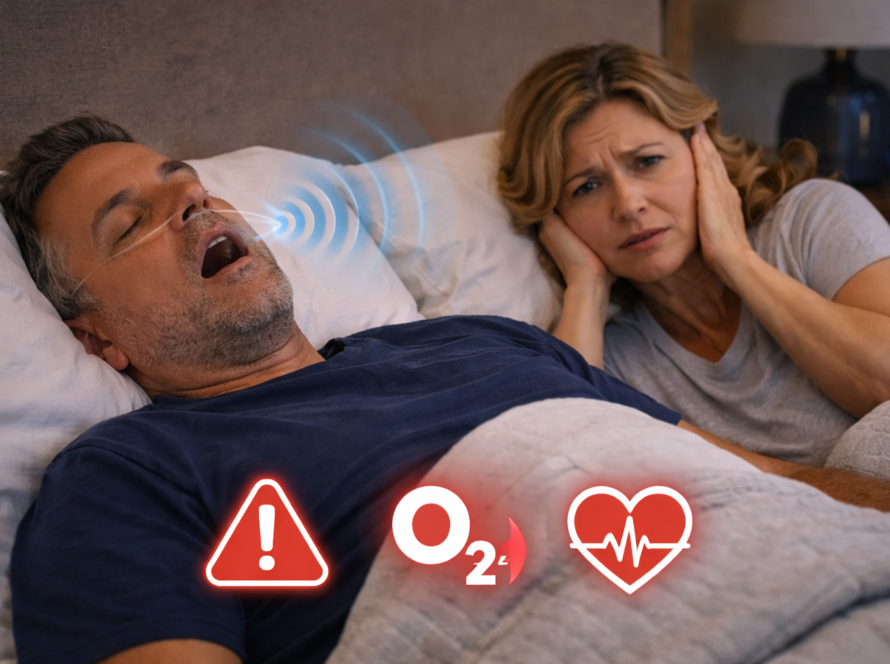
Common signs of pediatric sleep apnea may include loud snoring, restless sleep, mouth breathing, frequent awakenings, and bedwetting.

Daytime Indicators

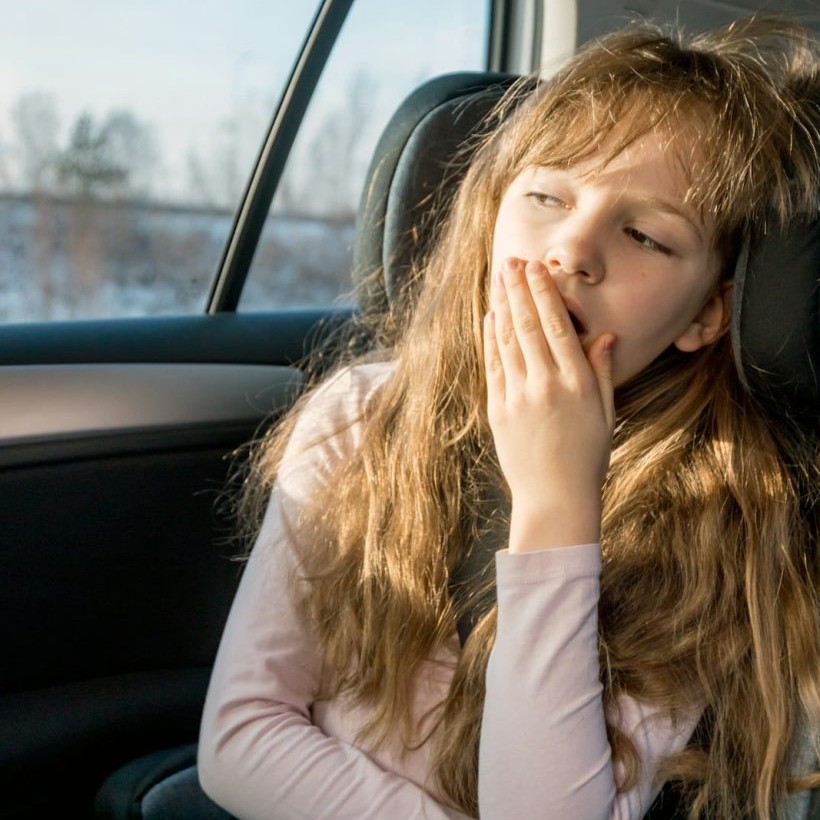
Daytime symptoms may include hyperactivity, irritability, difficulty concentrating, or excessive sleepiness.

Importance of Proper Evaluation

Because symptoms can vary by age and are sometimes mistaken for behavioral or attention disorders, a comprehensive sleep evaluation is essential for an accurate diagnosis and appropriate treatment plan.