Sleep apnea is a serious and potentially dangerous sleep disorder in which breathing repeatedly stops or becomes abnormally shallow during sleep. These breathing interruptions, known as apneas or hypopneas, can occur dozens of times per hour and prevent the body from receiving adequate oxygen. Each episode briefly wakes the brain, disrupting the natural sleep cycle—even if the person is not consciously aware of it.
Over time, this leads to poor sleep quality, excessive daytime fatigue, and increased strain on the heart, brain, and other vital organs. At El Paso Sleep Center, sleep apnea is diagnosed through comprehensive sleep evaluations, including overnight sleep studies (polysomnography) or home sleep apnea testing when appropriate.
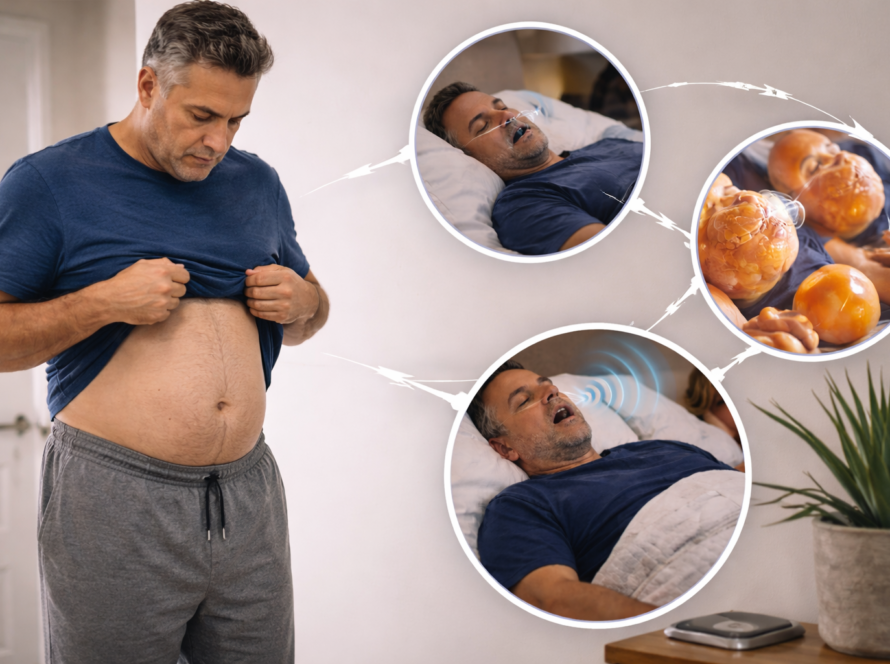
Untreated sleep apnea can have serious consequences for both short-term quality of life and long-term health. It significantly increases the risk of high blood pressure, heart disease, stroke, congestive heart failure, metabolic disorders, and weight gain. Chronic fatigue caused by sleep apnea can also affect mood, focus, job performance, and overall safety, especially when driving or operating machinery.
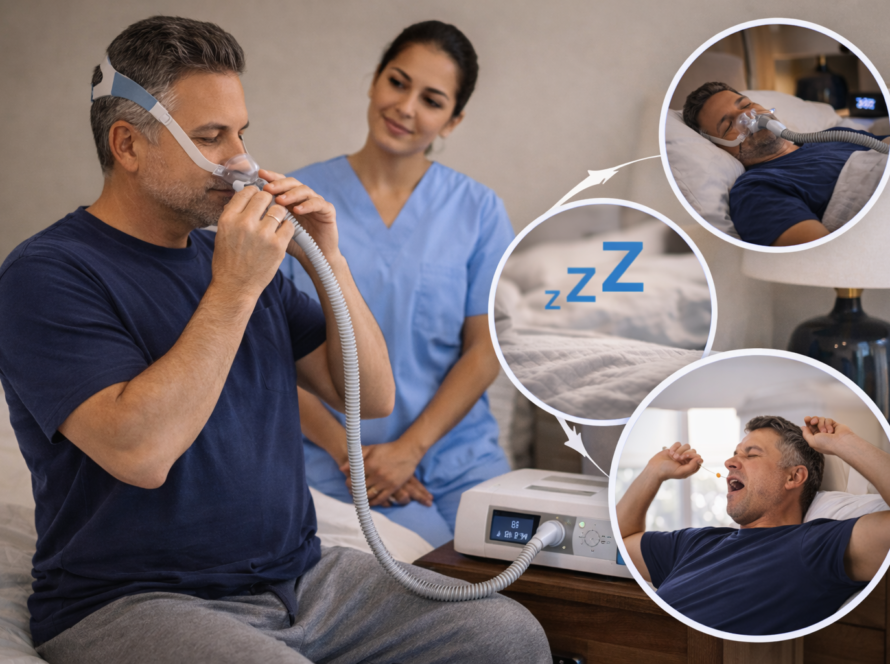
The good news is that sleep apnea is highly treatable. At El Paso Sleep Center, treatment may include PAP therapy (such as CPAP or BiPAP), proper mask fitting, education, and ongoing follow-up to ensure long-term success. With the right treatment plan, patients can breathe easier, sleep more deeply, and regain control of their health and daily life.
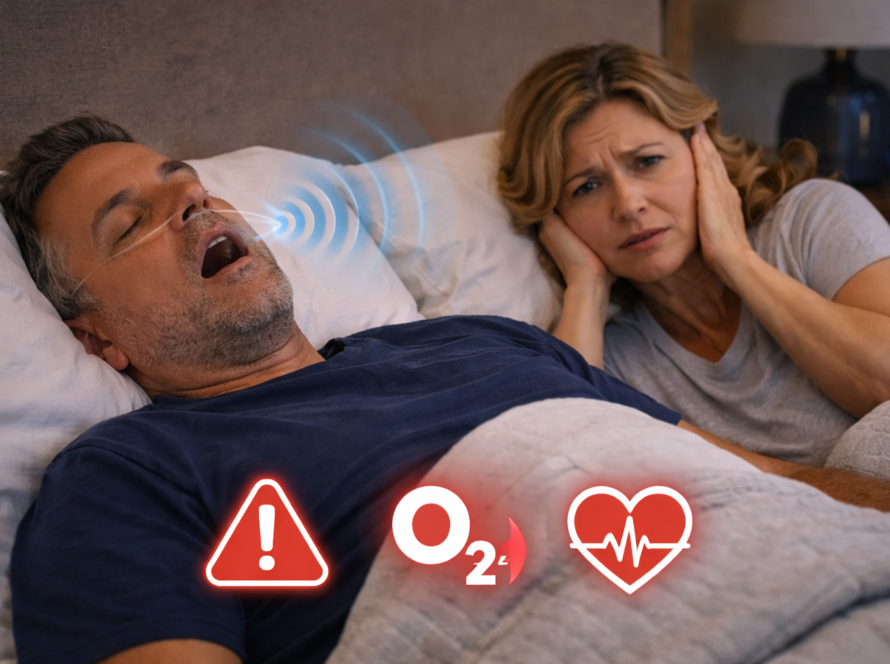
Sleep apnea often goes undiagnosed because many symptoms occur during sleep. One of the most common warning signs is loud, chronic snoring, often accompanied by gasping, choking, or pauses in breathing during the night.
Daytime Symptoms
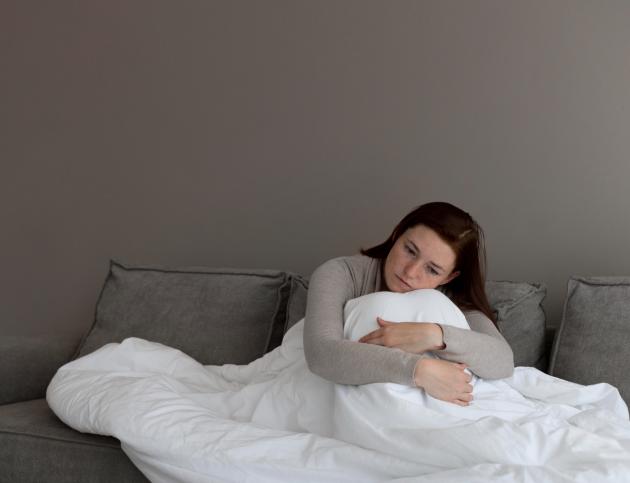
Daytime symptoms may include excessive fatigue, morning headaches, difficulty concentrating, memory issues, irritability, depression, and poor work performance.
Additional Signs & Diagnosis
Some patients also experience insomnia, restless sleep, or frequent nighttime urination. Because these symptoms can overlap with other conditions, proper sleep testing is essential to confirm a diagnosis and determine severity.
Sleep Health Insights
Expert Articles on Sleep Disorders, Treatments & Better Rest