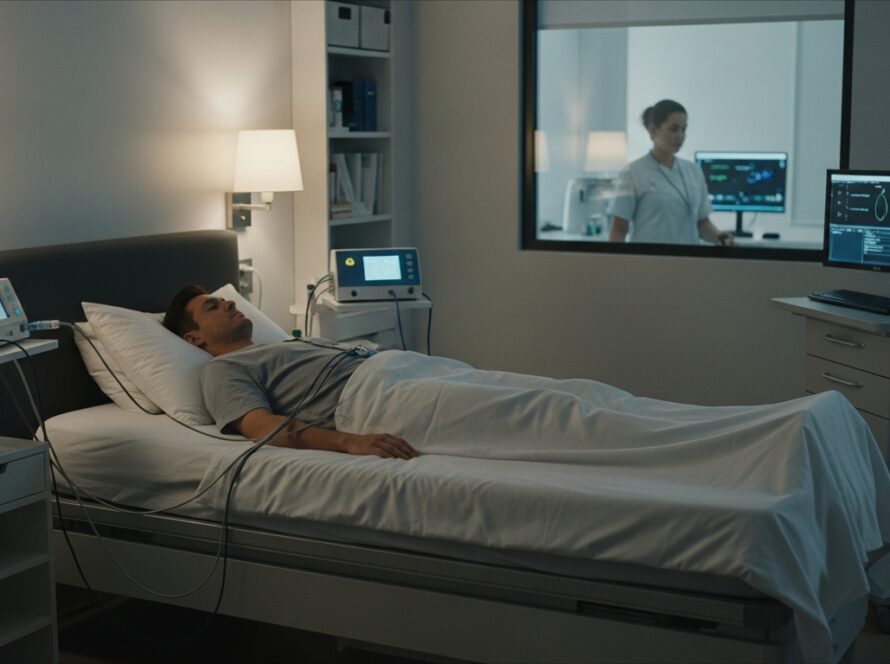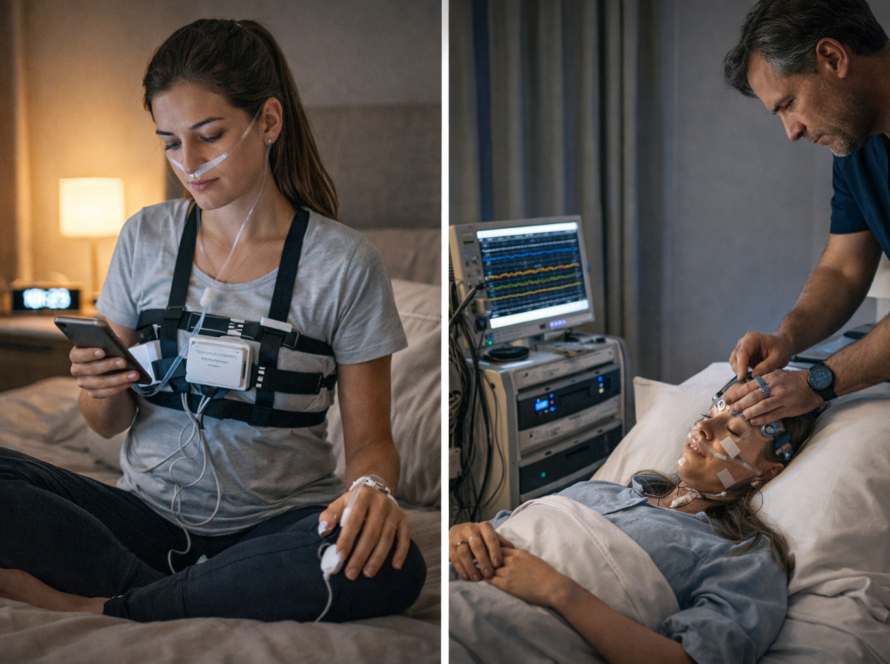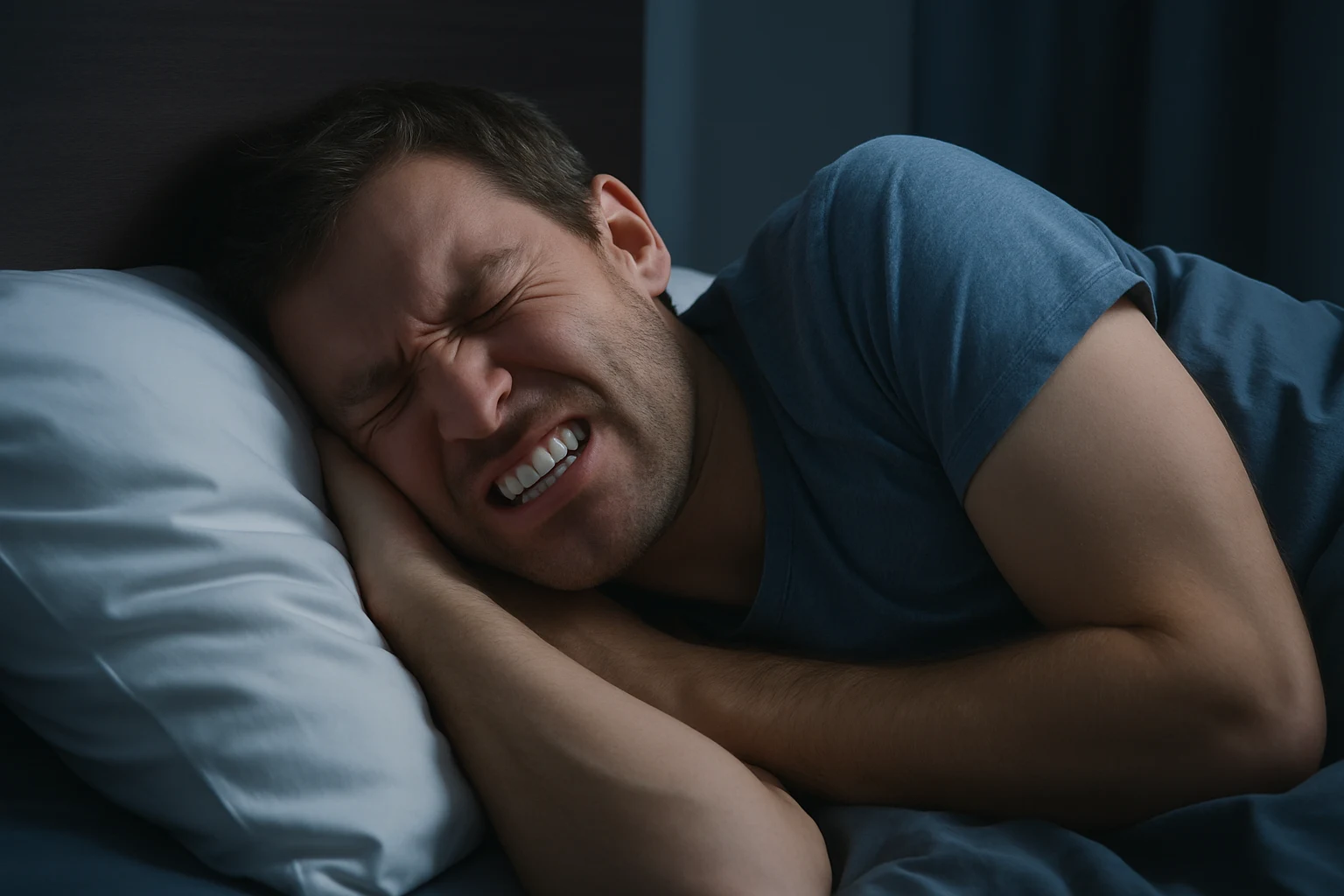
Understanding sleep bruxism is essential for anyone struggling with unexplained jaw tension, morning headaches, or fractured dental enamel. At El Paso Sleep Center, we help patients uncover why this condition develops, how it affects nightly rest, and what can be done to reduce long-term damage. Bruxism is more than a noisy nighttime habit — it is a complex issue linked to physical, neurological, and emotional factors that deserve professional attention.
While many people occasionally clench their teeth, chronic nighttime teeth grinding can lead to serious dental, muscular, and sleep disturbances. Recognizing the early signs and understanding the underlying mechanisms is crucial for effective care and prevention.
What Is Sleep Bruxism?
Clinically, sleep-related disorders encompass a wide range of conditions that impact the quality of rest, and bruxism is one of the most disruptive. Sleep bruxism refers specifically to the involuntary clenching or grinding of teeth during sleep cycles. It often occurs during light sleep and micro-arousals — brief moments when the brain partially wakes without full awareness.
Unlike daytime clenching, which is often linked to conscious stress or posture, nighttime episodes are controlled by the central nervous system. These episodes can be strong enough to generate hundreds of pounds of pressure, gradually wearing down teeth and altering jaw function.
Recognizing the Warning Signs
People are often unaware they grind their teeth until complications appear. This makes identifying bruxism symptoms essential for prevention and early treatment. Some common indicators include:
- Audible grinding or clicking noticed by a partner
- Jaw fatigue or soreness immediately after waking
- Headaches concentrated around temples
- Ear fullness or discomfort without infection
- Tooth sensitivity triggered by cold drinks
- Cracked enamel or chipped teeth
- Indentations on the sides of the tongue
Because symptoms overlap with other conditions, many patients overlook the true cause of their discomfort until significant damage has already occurred.
What Causes Bruxism to Develop?
Understanding the causes of bruxism helps explain why some individuals experience severe episodes while others never develop the condition. The most researched contributing factors include:
1. Stress and Emotional Tension
High stress levels are among the strongest predictors. When cortisol rises, the body remains physically tense during sleep, increasing muscle contractions in the jaw.
2. Airway Restrictions
Breathing disruptions during the night — even minor ones — can trigger the brain to tighten jaw and throat muscles in an attempt to stabilize airflow.
3. Neurological Activity During Sleep
During certain sleep stages, the brain creates bursts of activity associated with chewing reflexes. In people with bruxism, these signals become exaggerated.
4. Bite Misalignment
An uneven bite can overstimulate facial muscles and trigger grinding as the body tries to find a “correct” resting position.
5. Medications or Substances
Certain antidepressants, alcohol, caffeine, and tobacco products can increase jaw muscle tension.
6. Genetics
Studies show strong hereditary components, with bruxism often running in families.
These variables often overlap, which is why professional evaluation is essential to forming a complete diagnosis.
Bruxism and Its Connection to Jaw Pain
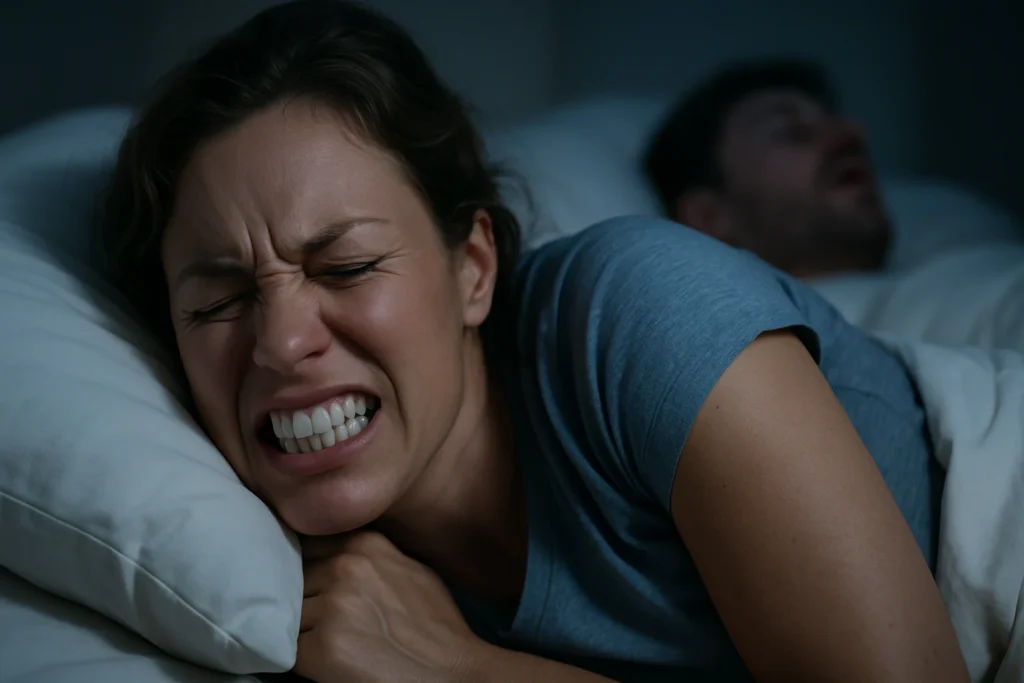
One of the most significant complications of this condition is TMJ pain at night. Nighttime clenching overworks the temporomandibular joint (TMJ), responsible for opening, closing, and shifting the jaw. When this joint becomes strained:
- Muscles surrounding the jaw become inflamed
- Clicking or popping sounds may occur
- Range of motion may diminish
- Persistent headaches may develop
Left untreated, TMJ inflammation can escalate, creating chronic discomfort and triggering additional sleep disruptions.
How Bruxism Affects Overall Sleep Quality
Grinding episodes are often connected to micro-arousals — small interruptions in sleep architecture that the patient does not consciously remember. These interruptions prevent deep restorative sleep, leading to:
- Daytime fatigue
- Difficulty concentrating
- Irritability
- Increased stress response
- Weakened immune function
Poor sleep also worsens grinding intensity, creating a cycle of tension, exhaustion, and further jaw strain.
Effective Strategies to Manage Nighttime Grinding
The good news is that there are many ways to manage bruxism when addressed early. A combination of lifestyle adjustments and professional care can significantly reduce symptoms.
1. Stress Reduction Techniques
Managing emotional health can reduce nighttime tension. Strategies may include:
- Deep breathing exercises
- Meditation
- Therapy
- Lowering caffeine intake
2. Custom Oral Appliances
Night guards designed by dental professionals protect enamel and cushion the jaw, reducing the intensity of grinding episodes.
3. Correcting Bite Misalignment
Orthodontic adjustments or restorative dental work may help if structural issues contribute to muscle tension.
4. Strengthening Airway Function
Treating nasal congestion, allergies, or sleep-related breathing disturbances can reduce grinding episodes triggered by airway instability.
5. Physical Therapy and Massage
TMJ-focused therapy can relieve muscle strain and improve mobility.
6. Medication Considerations
In some cases, medical professionals may adjust medications that contribute to bruxism.
When to Seek Professional Help
If you wake with jaw pain, headaches, or unexplained dental issues, it may be time to consult a specialist. Early intervention prevents long-term damage and restores healthier, more restful sleep. El Paso Sleep Center provides comprehensive evaluations to uncover root causes and build personalized treatment paths.
Signs you should seek professional assessment include:
- Worn or fractured teeth
- Persistent jaw discomfort
- Loud grinding reported by a partner
- Difficulty opening the mouth
- Ongoing headaches upon waking
The sooner the condition is diagnosed, the better the outcome.
Conclusion
Bruxism is a complex condition that affects much more than the teeth. It involves the nervous system, emotional balance, muscle function, and sleep architecture. With professional evaluation and targeted care, individuals can restore comfort, protect their dental health, and enjoy deeper, more restorative sleep. El Paso Sleep Center is committed to guiding patients toward long-term relief and healthier nights.