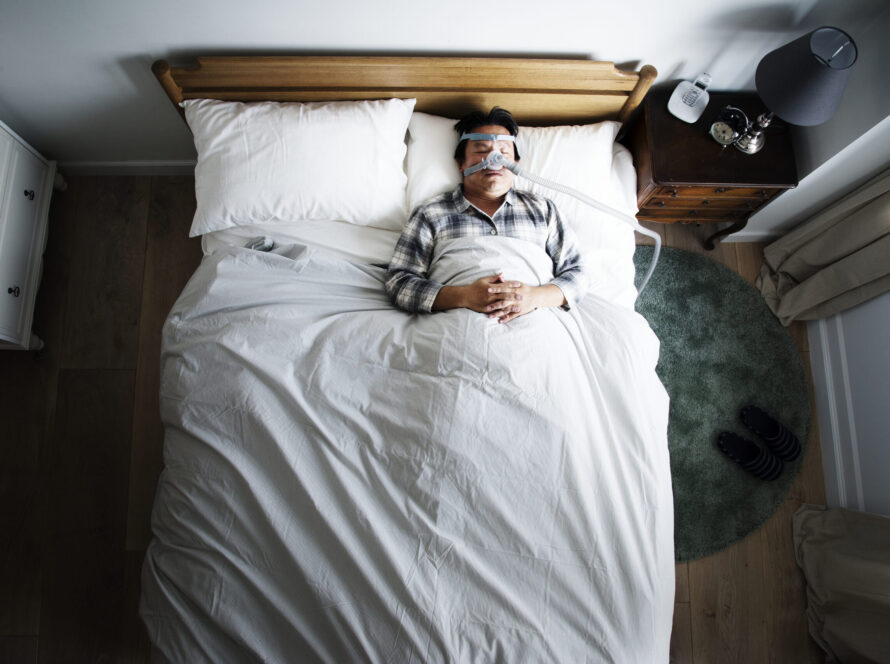
If you’re building a career, managing a household, staying active, and trying to keep up with everything life demands, exhaustion can start to feel normal.
You tell yourself:
“I’m just busy.”
“I’ll catch up on sleep this weekend.”
“Everyone feels like this.”
But here’s the reality: persistent fatigue is not a badge of honor. It may be a warning sign.
Today, we’re seeing a growing number of high-functioning professionals diagnosed with sleep disorders in adults — many of whom never suspected they had a medical sleep condition at all.
At EL PASO SLEEP CENTER, one of the most common things we hear is:
“I thought sleep apnea only happened to older people.”
Let’s clear that up.
The Modern Lifestyle Is Rewiring Sleep
Long work hours, late-night screen exposure, stress, inconsistent schedules, and high caffeine intake all interfere with natural sleep rhythms. Over time, these stressors can mask or worsen underlying vulnerabilities.
This is why sleep apnea in young adults is being identified more frequently than ever before.
It’s not that the condition is new.
It’s that awareness has lagged behind reality.
You don’t have to fit the outdated stereotype to experience serious sleep disruption.
Why High-Achievers Miss the Signs
Driven adults tend to normalize discomfort. They push through headaches, brain fog, and low energy because performance still “looks fine” on the outside.
But subtle symptoms often build slowly:
- Waking up with a dry mouth
- Morning headaches
- Irritability
- Trouble concentrating in meetings
- Needing multiple alarms to get up
These patterns are frequently dismissed as stress. In many cases, they’re connected to untreated breathing instability at night.
One of the biggest concerns? Undiagnosed sleep apnea can go unnoticed for years when symptoms are mild but persistent.
It’s Not Just About Snoring
Many adults assume they would know if they had sleep apnea because they would snore loudly. While snoring is common, it’s not always dramatic.
In fact, subtle breathing problems during sleep may occur without obvious gasping or choking. Airflow may simply become restricted enough to cause repeated micro-arousals — brief awakenings that fragment sleep cycles.
You may not remember waking up. But your brain does.
These repeated disruptions prevent the body from reaching sustained deep sleep, which leads directly to next-day exhaustion.
The Overlooked Impact of Fatigue
Persistent fatigue in adults doesn’t just mean feeling sleepy. It can show up as:
- Reduced mental sharpness
- Emotional reactivity
- Decreased workout recovery
- Slower decision-making
- Afternoon crashes
Over time, chronic fatigue affects:
- Cardiovascular health
- Blood sugar regulation
- Hormonal balance
- Immune function
If exhaustion feels constant — not occasional — it’s worth investigating.
Understanding Risk Beyond Age
Age alone does not determine whether someone develops sleep apnea. There are multiple sleep apnea risk factors, and many are unrelated to how old you are.
These may include:
- Family history
- Jaw or airway anatomy
- Nasal obstruction
- Stress-related muscle tension
- Hormonal influences
- Weight distribution (even without obesity)
You can be active, health-conscious, and still have airway instability at night.
The key is recognizing patterns early rather than waiting for symptoms to worsen.

Why Young Adults Delay Evaluation
Younger patients often delay seeking help because:
- They don’t believe they’re at risk
- They assume exhaustion is “normal adulthood”
- They don’t want to deal with medical equipment
- They’re too busy
Ironically, the people who would benefit most from restored sleep are often the ones who postpone testing the longest. At EL PASO SLEEP CENTER, we frequently hear:
“I wish I had done this sooner.”
What Proper Sleep Testing Reveals
Sleep studies measure much more than snoring. They assess:
- Brain wave activity
- Oxygen levels
- Airflow stability
- Heart rhythm
- Muscle tone
- Sleep stage progression
Many patients are surprised to learn how fragmented their sleep truly is — even when they believed they were sleeping “fine.”
Identifying the exact pattern allows for precise, personalized treatment recommendations.
The Long-Term Benefits of Early Treatment
Addressing breathing-related sleep disorders early can dramatically improve:
- Cognitive clarity
- Emotional regulation
- Energy consistency
- Physical performance
- Long-term cardiovascular health
For ambitious adults juggling career and personal responsibilities, sleep is not optional. It’s foundational.
When nighttime breathing stabilizes, the body can finally complete full restorative cycles — and the difference is often noticeable within weeks.
Sleep Is a Performance Tool — Not a Weakness
There’s a cultural myth that less sleep equals more productivity. In reality, chronic sleep disruption erodes performance over time.
Restorative sleep enhances:
- Memory consolidation
- Strategic thinking
- Creativity
- Reaction time
- Stress resilience
If you’re constantly compensating for low energy, it may not be a motivation problem. It may be physiological.
And physiology can be treated.
When to Take the Next Step
Consider a professional evaluation if you experience:
- Daily exhaustion despite adequate hours in bed
- Brain fog that affects work performance
- Irritability or mood shifts
- Morning headaches
- Reports of snoring or restless sleep
Sleep should leave you clear-headed — not barely functioning.
Conclusion
Being young and busy does not make you immune to serious sleep conditions. Persistent exhaustion, subtle breathing instability, and fragmented sleep patterns can quietly undermine both health and performance. When properly evaluated and treated, restorative sleep can transform energy, focus, and overall well-being. If something feels off, it’s worth listening to your body — especially at night.