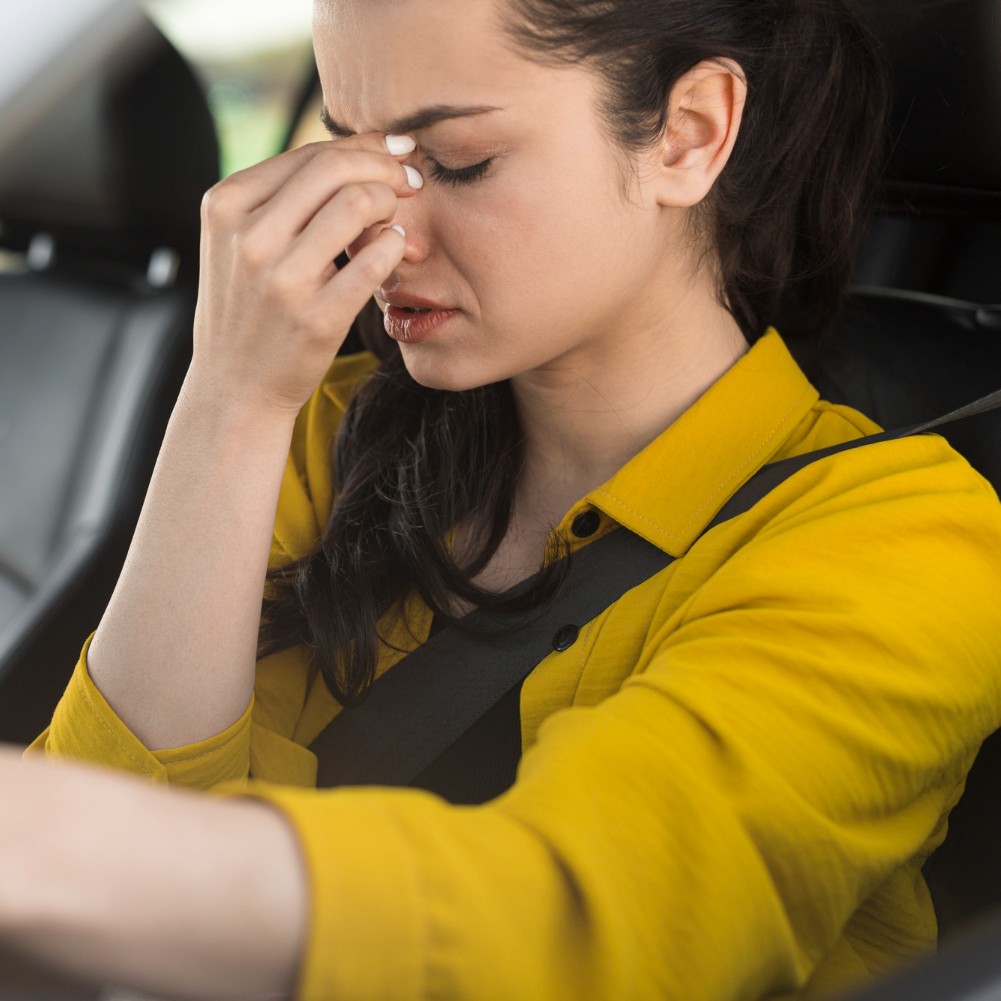
Driving while sleepy is a serious and often overlooked safety risk. Each year, drowsy driving causes thousands of accidents and deaths on U.S. roads, with teens and young adults facing the highest risk. Lack of sleep slows reaction time, impairs judgment, and reduces alertness—making drowsy driving comparable to drunk driving. At El Paso Sleep Center, we emphasize the importance of healthy sleep to protect both personal health and public safety.
By identifying sleep deficiencies and addressing underlying sleep disorders, individuals can improve alertness, reduce accident risk, and support safer driving habits for themselves and others.
Preventing drowsy driving starts with prioritizing healthy sleep habits. Maintaining a consistent sleep schedule, limiting naps, avoiding caffeine late in the day, reducing screen time before bed, and creating a quiet, dark sleep environment can significantly improve alertness. Drivers should avoid late-night driving, share driving responsibilities on long trips, and pull over immediately if sleepiness occurs.
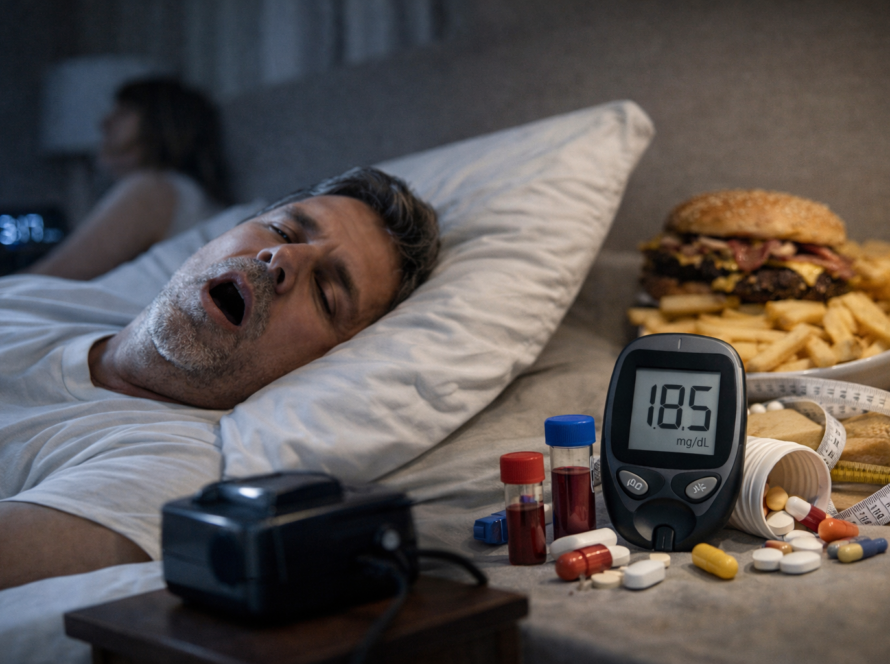
If ongoing sleep problems persist, a sleep evaluation can help identify underlying conditions such as insomnia or sleep apnea. At El Paso Sleep Center, our specialists help patients restore healthy sleep and reduce the risks associated with drowsy driving. Recognizing the warning signs of drowsy driving and taking proactive steps to address sleep health are essential for personal and public safety.
Most teens and young adults fail to get the recommended 8 to 10 hours of sleep per night, often building a weekly sleep debt that affects concentration and alertness.
Common Warning Signs While Driving
Common warning signs of drowsy driving include frequent yawning, difficulty keeping eyes open, nodding off, drifting between lanes, missing road signs, or not remembering the last few miles driven.
Serious Safety Risk
These signs should never be ignored—drowsy driving can be deadly.
Sleep Health Insights
Expert Articles on Sleep Disorders, Treatments & Better Rest