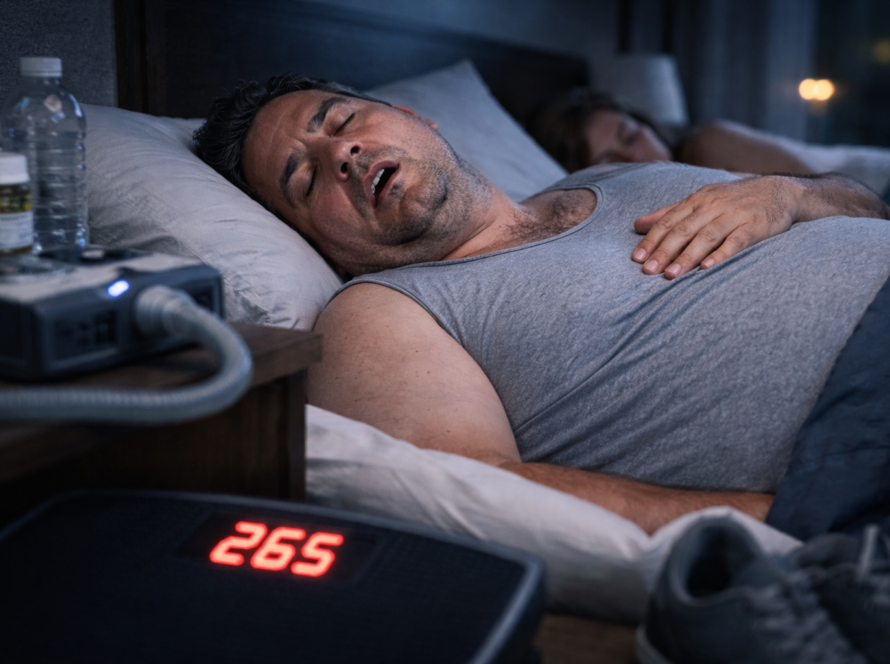
For many years, sleep apnea has been viewed as a condition that primarily affects older adults. While age can increase risk, this assumption has caused a dangerous gap in awareness—especially among younger people who may dismiss symptoms or delay evaluation. In reality, sleep disorders can affect adults of all ages, and when left untreated, they can have serious consequences regardless of how young or healthy someone appears.
At El Paso Sleep Center, we frequently see patients in their 20s, 30s, and 40s who are surprised to learn that their chronic fatigue, difficulty concentrating, or mood changes are linked to disrupted breathing during sleep. Understanding how sleep apnea presents in younger adults is key to early diagnosis and long-term health.
Rethinking Sleep Disorders Across Adulthood
The idea that sleep issues only emerge later in life is outdated. Sleep disorders in adults exist on a broad spectrum and can develop at any stage due to lifestyle, anatomy, genetics, or underlying health conditions.
Younger adults often juggle demanding schedules, high stress levels, and inconsistent sleep routines. These factors can mask or worsen sleep-related conditions, making symptoms easier to overlook or misattribute to burnout or poor habits.
Sleep Apnea in Younger Adults: More Common Than You Think
One of the most misunderstood conditions in this age group is sleep apnea in young adults. While symptoms may appear less dramatic than in older populations, the physiological impact can be just as significant.
Younger patients with sleep apnea may not always present with classic signs like loud snoring witnessed by a partner. Instead, they often experience subtle but persistent symptoms that interfere with daily life and long-term wellness.
Common warning signs include:
- Ongoing tiredness despite adequate sleep time
- Morning headaches
- Difficulty focusing or remembering information
- Mood changes such as irritability or low motivation
- Decreased exercise tolerance
Because these symptoms develop gradually, many individuals normalize them—sometimes for years.
Key Risk Factors in Younger Patients
Understanding sleep apnea risk factors helps explain why this condition is not limited by age. Several contributors can increase vulnerability in younger adults, including:
- Family history of sleep apnea
- Anatomical features such as a narrow airway or jaw structure
- Weight fluctuations, even without obesity
- Alcohol use or sedative medications
- Chronic nasal congestion or allergies
- Hormonal or metabolic conditions
Even physically active individuals can be affected, especially if airway structure or neurological factors play a role.
The Overlooked Impact of Fatigue in Adults
Persistent tiredness is often brushed off as stress or a busy lifestyle, but fatigue in adults can be one of the earliest indicators of an underlying sleep condition. When breathing repeatedly pauses during sleep, oxygen levels drop and the brain is forced into brief awakenings to restore airflow.
These interruptions fragment sleep architecture, preventing deep and restorative stages—even if the person remains unaware of waking up during the night.
Consequences of ongoing fatigue may include:
- Reduced productivity and work performance
- Increased reliance on caffeine
- Impaired reaction time and decision-making
- Higher risk of anxiety and depression
- Strain on personal relationships
Over time, untreated fatigue can take a measurable toll on both physical and mental health.
Why Sleep Apnea Often Goes Undiagnosed
Younger adults are particularly vulnerable to undiagnosed sleep apnea because symptoms are frequently misattributed to lifestyle factors. Many patients assume they are simply not sleeping enough, rather than questioning sleep quality.
Additionally, people who live alone may not realize they experience snoring or breathing irregularities at night. Without external observations, warning signs can remain hidden for years.
Healthcare visits often focus on daytime symptoms without exploring sleep patterns in depth, further delaying diagnosis.
Breathing Problems During Sleep and Whole-Body Health
At the core of sleep apnea are breathing problems during sleep, which trigger a cascade of physiological stress responses. Each breathing pause activates the nervous system, increasing heart rate and blood pressure while reducing oxygen delivery to vital organs.
In younger adults, repeated exposure to these stressors may contribute to:
- Early cardiovascular strain
- Insulin resistance and metabolic changes
- Increased inflammation
- Reduced resilience to stress
Addressing these issues early can significantly reduce long-term health risks and improve quality of life.
When Should Younger Adults Seek Evaluation?
If symptoms persist despite healthy sleep habits, a professional sleep evaluation may be warranted. Early diagnosis allows for treatment options that are often simpler and more effective when started sooner.
Sleep testing can reveal disruptions that are not detectable through routine exams. At El Paso Sleep Center, we use advanced diagnostic tools to assess sleep patterns, breathing, and oxygen levels, providing clarity and direction for treatment.
Treatment Options and Long-Term Benefits
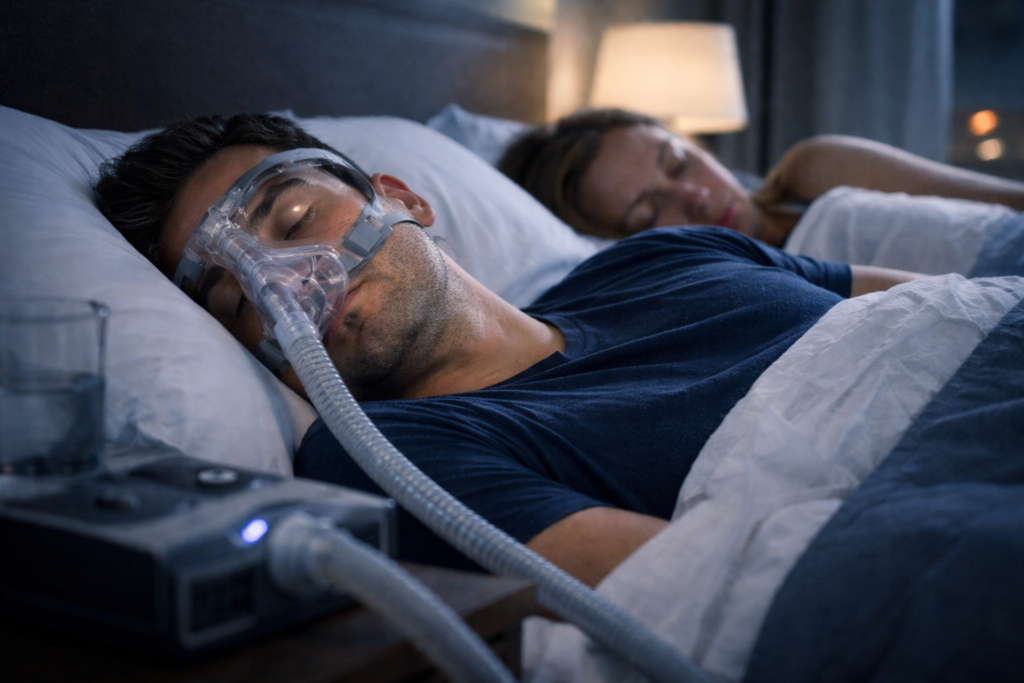
Treatment for sleep apnea is highly individualized and depends on severity, anatomy, and lifestyle. Options may include oral appliances, positive airway pressure therapy, or behavioral and positional strategies.
Benefits of early treatment include:
- Improved energy and mental clarity
- Better mood and emotional regulation
- Enhanced work and academic performance
- Reduced long-term health risks
- Improved overall sleep quality
For younger adults, treatment can be life-changing—restoring vitality during years that should be full of growth and productivity.
Conclusion
Sleep apnea is not an age-restricted condition, and assuming otherwise can delay care when it matters most. Younger adults experiencing persistent fatigue or unexplained symptoms should not ignore the possibility of an underlying sleep issue. Early recognition and treatment can protect long-term health, restore daily energy, and support a better quality of life. Sleep should be restorative at every age—and when it isn’t, answers are available.