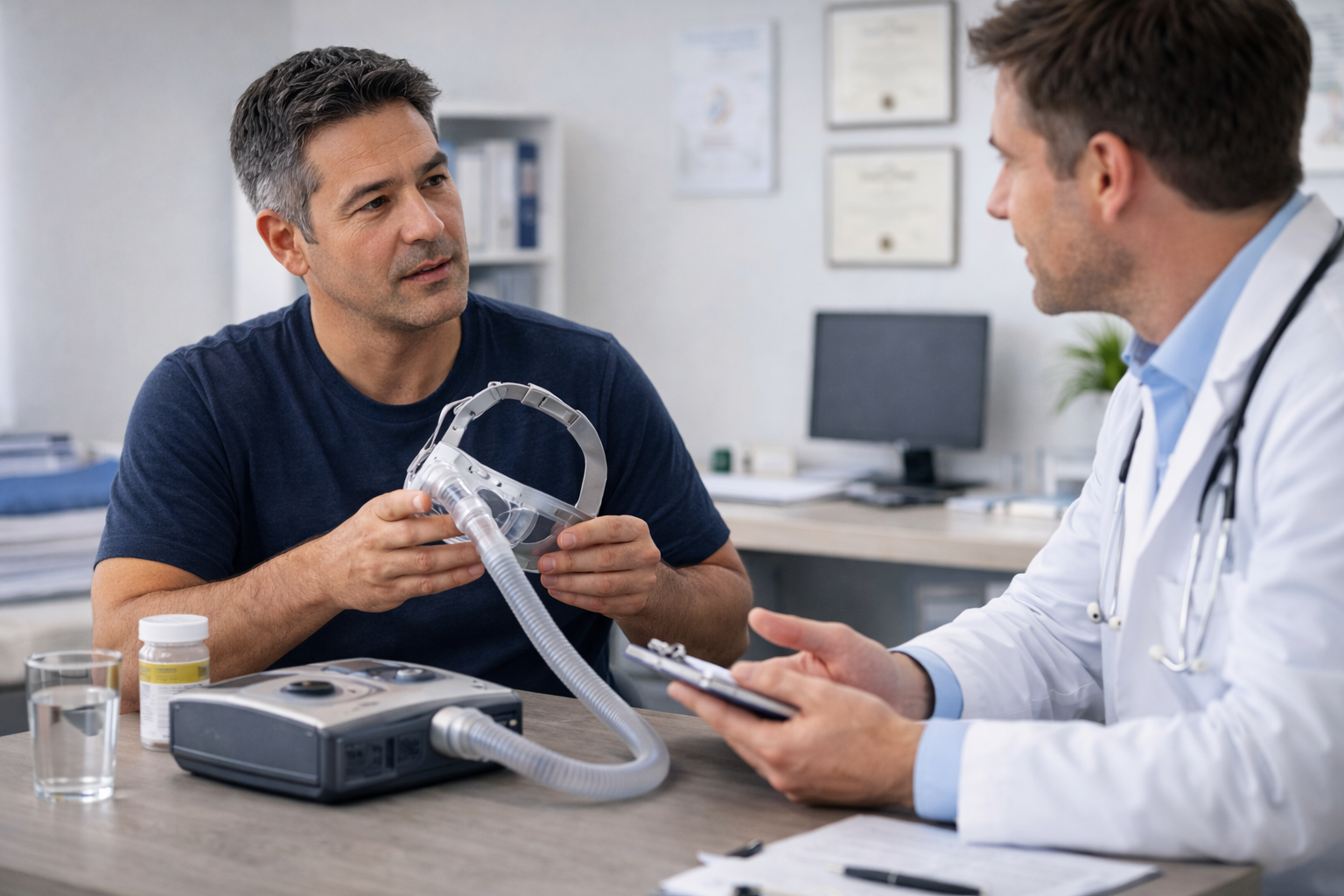
Being diagnosed with sleep apnea can feel overwhelming—especially when treatment involves sleeping with a medical device for the first time. Many patients have questions, concerns, and even fears about what treatment will feel like and whether it will truly make a difference. Understanding what to expect can ease anxiety and help new patients feel confident about starting therapy.
At El Paso Sleep Center, education is a key part of care. Knowing how treatment works, how to adapt, and what benefits to expect allows patients to approach therapy with realistic expectations and long-term success in mind.
What Is CPAP and Why Is It Prescribed?
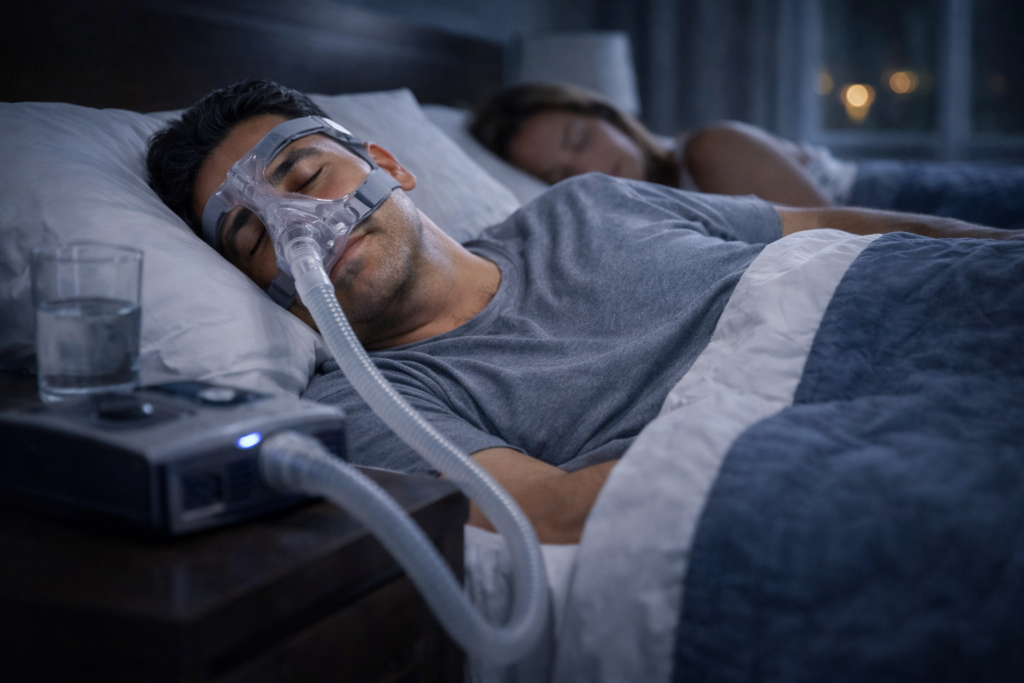
CPAP therapy is one of the most commonly prescribed treatments for obstructive sleep apnea. It works by delivering a steady stream of air through a mask, keeping the airway open during sleep and preventing breathing interruptions.
When breathing remains stable throughout the night, the brain and body can move through normal sleep stages without repeated awakenings. This leads to deeper, more restorative rest and improved oxygen levels.
Why CPAP Is Recommended for Sleep Apnea
Sleep apnea occurs when airway muscles relax too much during sleep, causing partial or complete blockages. CPAP treatment for sleep apnea directly addresses this problem by preventing airway collapse before it happens.
This approach is effective because it treats the root cause rather than just the symptoms. By stabilizing breathing, CPAP reduces nighttime stress on the heart, brain, and nervous system.
Key reasons providers recommend CPAP include:
- High effectiveness for moderate to severe sleep apnea
- Immediate impact on breathing stability
- Non-invasive treatment option
- Proven long-term health benefits
What New Patients Can Expect the First Night
Starting treatment often comes with an adjustment period. It’s normal for the equipment to feel unfamiliar at first. Sensations such as airflow, mask contact, or machine noise may take time to get used to.
Many patients worry that they won’t be able to fall asleep, but most find that comfort improves steadily over the first few weeks. Consistency is key—regular use helps the brain and body adapt more quickly.
Adjusting to the Equipment Over Time
Successfully adjusting to CPAP machine use is a process, not a single event. Fit, comfort, and routine all play a role. Small adjustments can make a significant difference in how the experience feels.
Helpful strategies include:
- Wearing the mask for short periods while awake
- Using ramp features that gradually increase air pressure
- Ensuring proper mask fit to prevent leaks
- Maintaining consistent sleep schedules
- Communicating concerns with your care team
Support from sleep specialists can help address challenges early and prevent frustration.
Understanding Benefits and Possible Side Effects
Like any medical treatment, CPAP comes with both advantages and potential side effects. Knowing what to expect helps patients stay committed and informed.
CPAP benefits and side effects may include:
Benefits:
- Improved daytime energy
- Reduced snoring
- Better concentration and memory
- Improved mood and emotional stability
- Lower cardiovascular strain
Possible side effects:
- Nasal dryness or congestion
- Mild skin irritation from the mask
- Temporary discomfort or bloating
Most side effects are manageable and often resolve with adjustments to humidity, mask style, or pressure settings.
How CPAP Fits Into Broader Treatment Plans
While CPAP is highly effective, it is one of several sleep apnea treatment options available. Treatment plans are individualized based on severity, anatomy, and patient preferences.
Some patients may benefit from oral appliances, positional therapy, or lifestyle modifications, either alone or alongside CPAP. A comprehensive sleep evaluation ensures the chosen approach aligns with each patient’s needs and goals.
At El Paso Sleep Center, ongoing monitoring allows treatment to evolve as patients’ sleep patterns and health change over time.
How CPAP Improves Sleep Quality
By eliminating repeated breathing interruptions, CPAP allows the body to remain in deeper sleep stages longer. This supports physical restoration, brain function, and hormonal balance.
Many patients report noticeable improvements within weeks, including clearer thinking and more stable energy levels. Over time, improving sleep with CPAP can positively affect overall health, work performance, and quality of life.
Long-term improvements may include:
- Better blood pressure control
- Reduced daytime sleepiness
- Lower risk of heart-related complications
- Improved resilience to stress
The Importance of Follow-Up and Support
Successful treatment doesn’t end with receiving the machine. Follow-up care ensures that therapy remains effective and comfortable. Pressure settings, mask fit, and usage data can be adjusted as needed.
Regular communication with sleep specialists helps address concerns early and reinforces healthy sleep habits. Education and encouragement are essential for long-term adherence.
Conclusion
Starting CPAP treatment is a significant step toward better sleep and better health. While the adjustment period can feel challenging at first, understanding what to expect makes the process far more manageable. With proper guidance, support, and consistency, treatment can transform sleep quality and daily well-being. Restful nights are not just possible—they’re achievable with the right care and commitment.