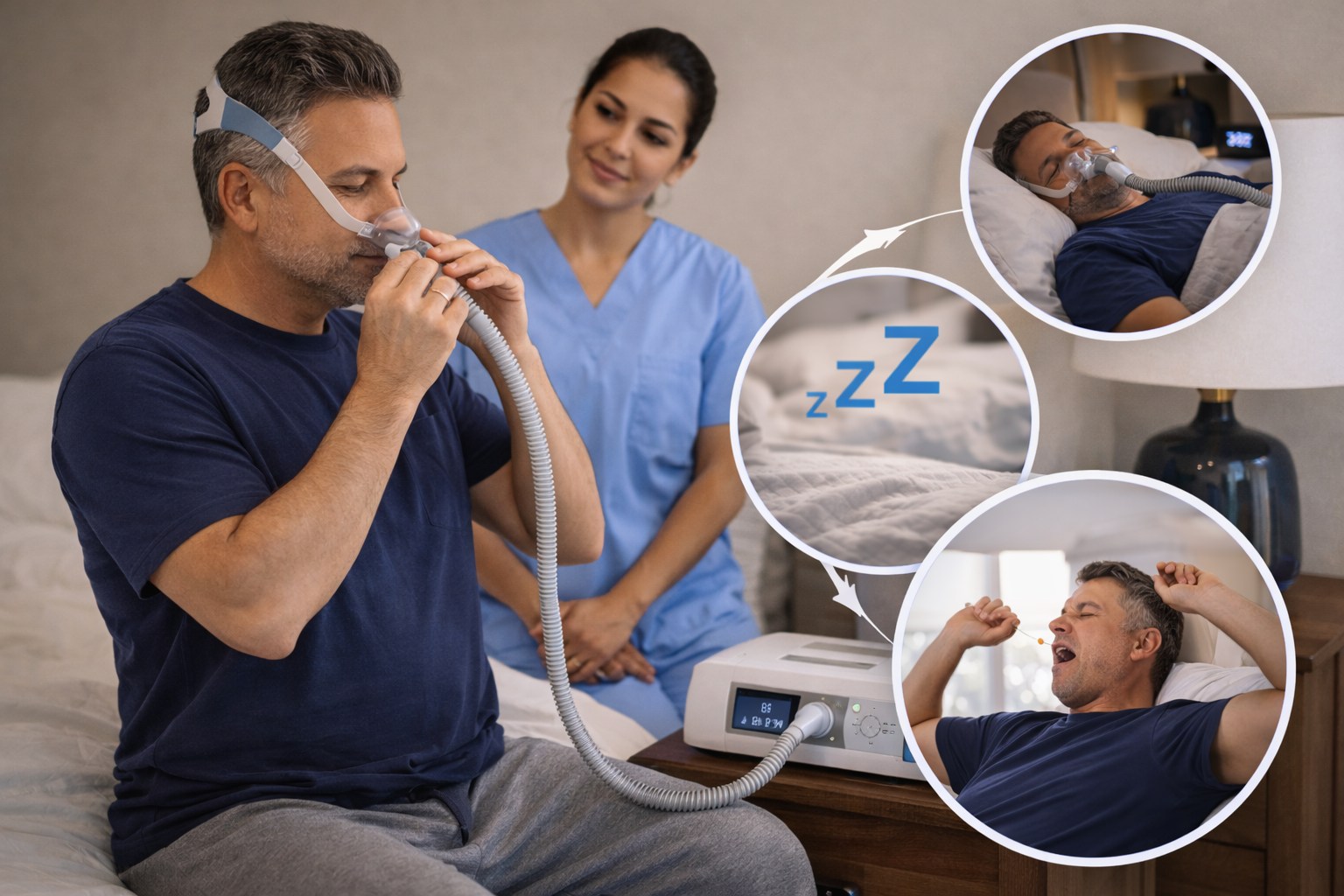
Starting treatment for a sleep-related breathing issue can feel like a big step, especially when that treatment involves sleeping with equipment for the first time. A lot of people feel relieved to finally have answers, but also a little unsure about what comes next. That is completely normal. The first few weeks of CPAP therapy are often a mix of progress, adjustment, small wins, and a little trial and error.
At El Paso Sleep Center, one of the most common concerns patients have is not whether treatment matters, but how hard it will be to get used to it. Many people imagine they are supposed to put on the mask the first night and immediately sleep perfectly. In real life, it usually takes a little time. That does not mean something is wrong. It just means your body is learning a new routine.
The good news is that the adjustment period is manageable for many people once they know what to expect. Understanding the first few weeks can make the process feel a lot less frustrating and a lot more realistic.
Why this treatment is often recommended
Continuous positive airway pressure is commonly used to help keep the airway open during sleep. For many patients, CPAP treatment for sleep apnea is recommended because it supports more stable breathing through the night, which can lead to better rest and fewer interruptions in sleep.
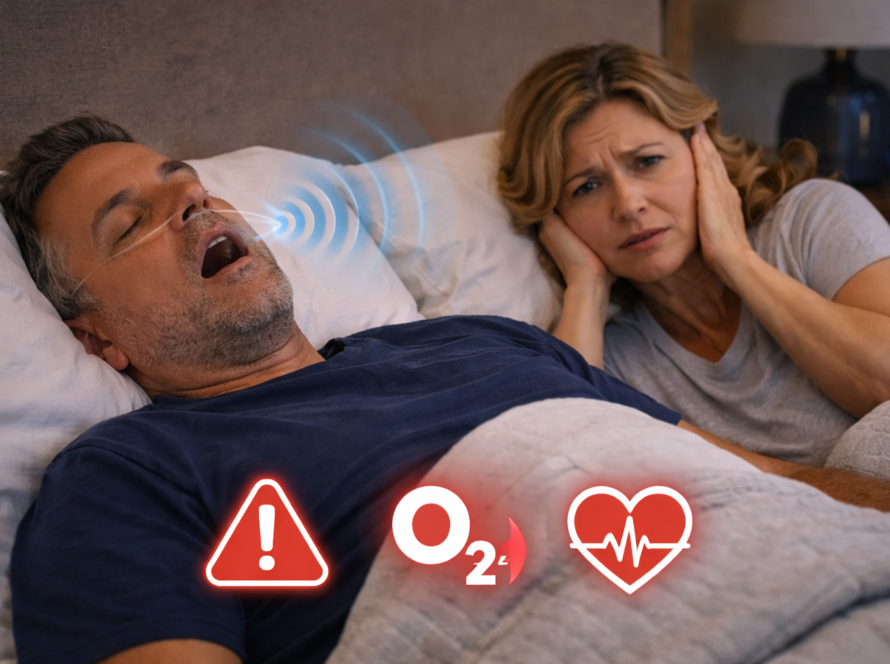
That matters because untreated breathing issues do not only affect the night. They can show up during the day as fatigue, poor concentration, headaches, irritability, and that general feeling of never fully waking up. When treatment works well, patients often begin to notice that sleep feels more restorative and daytime energy starts to improve.
Still, knowing the treatment is helpful and actually feeling comfortable with it are two different things. That is why the first few weeks are so important. This is the stage where habits form, expectations settle, and confidence starts to build.
The first night is usually not the whole story
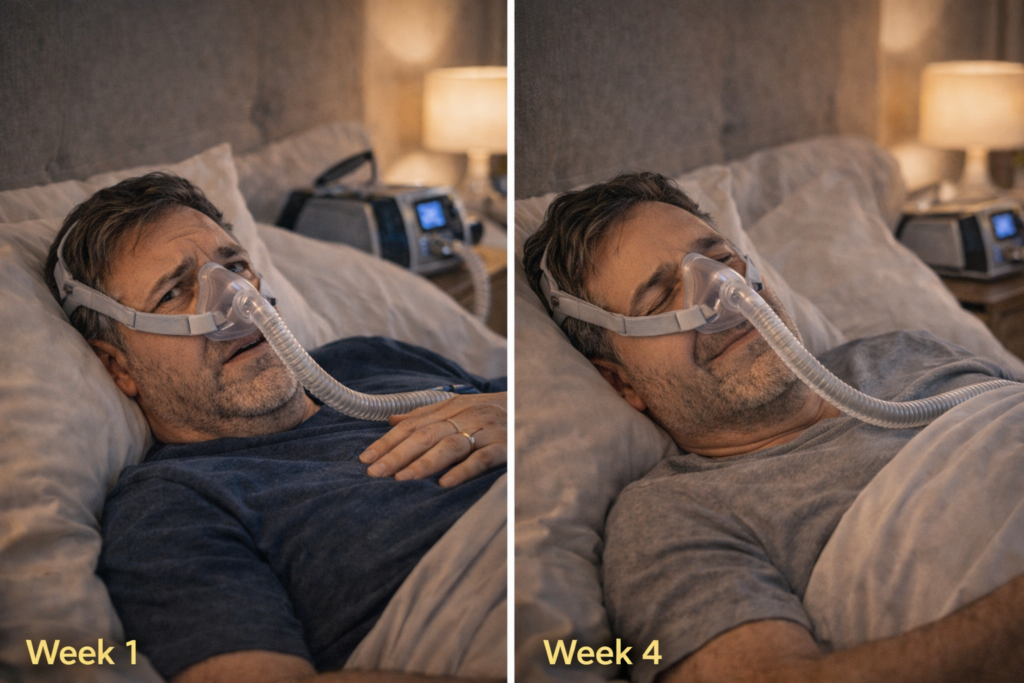
One of the biggest mistakes people make is judging the entire experience based on the first night alone. The first night may feel strange. The mask may feel unfamiliar. The airflow may seem more noticeable than expected. You may find yourself overly aware of every little sensation simply because it is new.
That does not mean treatment is not working. It usually just means you are in the beginning phase.
A few things many patients notice at first include:
- Feeling awkward falling asleep with the mask on
- Waking up more than usual because they are paying attention to the equipment
- Taking time to find the most comfortable sleeping position
- Becoming more aware of their breathing than they normally would
- Wondering whether they are “doing it right”
All of that is common in the beginning. The goal is not perfection on night one. The goal is getting familiar enough with the routine that it starts to feel more natural over time.
Getting comfortable takes practice
For many people, the biggest hurdle is simply adjusting to CPAP machine use as part of a nightly routine. Sleep is personal, and even small changes can feel surprisingly noticeable when you are trying to rest.
That is why it helps to think of the first few weeks as a learning period rather than a pass-or-fail test. Some patients adapt quickly. Others need a little more time. Both experiences are normal.
Here are a few practical habits that can help during the adjustment phase:
- Put the mask on for short periods before bedtime to get used to the feel
- Keep a consistent sleep schedule when possible
- Make sure the mask fit feels secure without being overly tight
- Give yourself time to settle instead of expecting instant comfort
- Take note of small improvements, not just perfect nights
- Stay in communication with your sleep team if something feels off
Small adjustments can make a bigger difference than people expect. Sometimes what seems like a major problem is really just a fit issue, a comfort issue, or a matter of needing more time to adapt.
What improvements may show up early
Not everyone notices dramatic changes overnight, but some people begin to feel small shifts within the first couple of weeks. Those changes may be subtle at first, especially if poor sleep has been affecting you for a long time.
Early improvements can include:
- Waking up with a little more energy
- Feeling less groggy in the morning
- Fewer headaches after waking
- Less snoring reported by a partner
- Better daytime focus
- A steadier mood throughout the day
These changes are often encouraging because they remind patients that progress does not have to be dramatic to be meaningful. Better sleep sometimes returns in layers.
Knowing what is normal during the adjustment period
It also helps to talk openly about CPAP benefits and side effects because many patients feel more confident when they know what is expected and what should be addressed.
Potential benefits may include better sleep quality, improved daytime alertness, fewer breathing interruptions, and more consistent rest. At the same time, some temporary side effects can show up while your body adjusts.
During the first weeks, some patients notice:
- Mild nasal dryness
- A feeling of air pressure taking time to get used to
- Skin irritation if the mask fit needs adjustment
- Feeling a little frustrated if sleep is still inconsistent at first
- Occasional leaks that need to be corrected
These issues can be discouraging if you are not expecting them, but they are often manageable. The important thing is not to assume discomfort means treatment is failing. In many cases, a small change in fit, humidity, routine, or guidance can make things much easier.
It helps to remember there is more than one path
For some patients, it is reassuring to know that there are different sleep apnea treatment options, even if positive airway pressure is the starting point. That does not mean you should approach treatment with one foot out the door. It simply means that sleep care is about finding the right long-term solution for the individual, not forcing one rigid experience.
That said, many people do very well once they work through the early adjustment stage. The biggest challenge is often the beginning, when everything feels unfamiliar and patience is being tested. Once the routine becomes more natural, treatment can start feeling less like a disruption and more like part of a healthier nighttime rhythm.
Progress usually looks gradual, not dramatic
A very common question is, “When should I feel better?” The honest answer is that it depends. Some people notice changes quickly. Others improve more gradually, especially if they have been sleep-deprived for a long time or if they are still fine-tuning comfort.
The most helpful mindset is to watch for steady progress instead of chasing one perfect night. Better rest often builds through consistency.
Signs that you may be moving in the right direction include:
- Sleeping longer stretches with the mask on
- Feeling less resistant to using it each night
- Noticing fewer awakenings related to breathing
- Seeing improvement in daytime sleepiness
- Feeling more mentally clear in the morning
- Finding the routine less intimidating than it felt at first
That is what improving sleep with CPAP often looks like in real life. It is not always flashy. Sometimes it is simply the slow return of normal energy, clearer mornings, and nights that feel less disrupted.
What to do if the first weeks feel frustrating
It is important not to struggle in silence. A lot of patients assume they just have to tough it out, but that is not the best approach. If something feels uncomfortable, awkward, or unsustainable, it is worth speaking up early.
You should pay attention if:
- The mask feels painful instead of just unfamiliar
- Leaks keep waking you up
- Dryness or discomfort is becoming a nightly issue
- You feel tempted to stop using treatment altogether
- You are not sure whether the equipment is fitting correctly
The sooner those concerns are addressed, the better the experience usually becomes. Early support can make a major difference in whether treatment starts to feel workable.
At El Paso Sleep Center, the goal is not simply to hand someone equipment and hope for the best. It is to help patients understand the process, set realistic expectations, and make treatment feel more doable from the start.
Why patience matters more than people expect
The first weeks are about more than equipment. They are about trust. Trusting the process, trusting that small improvements count, and trusting that discomfort at the beginning does not automatically predict the long term.
That patience matters because sleep habits are deeply personal. Anything new in the bedroom can take time to feel normal. But for many patients, staying consistent through the early learning curve is what allows them to experience the benefits that made treatment worth starting in the first place.
Final Thoughts
Starting treatment can feel like a lot at first, especially when you are tired and just want sleep to come easily again. But early progress does not have to be perfect to be real. The first few weeks are often about getting familiar, building comfort, and giving your body time to adjust to a better way of resting. With support, patience, and a little consistency, those early nights can lead to much better ones ahead.