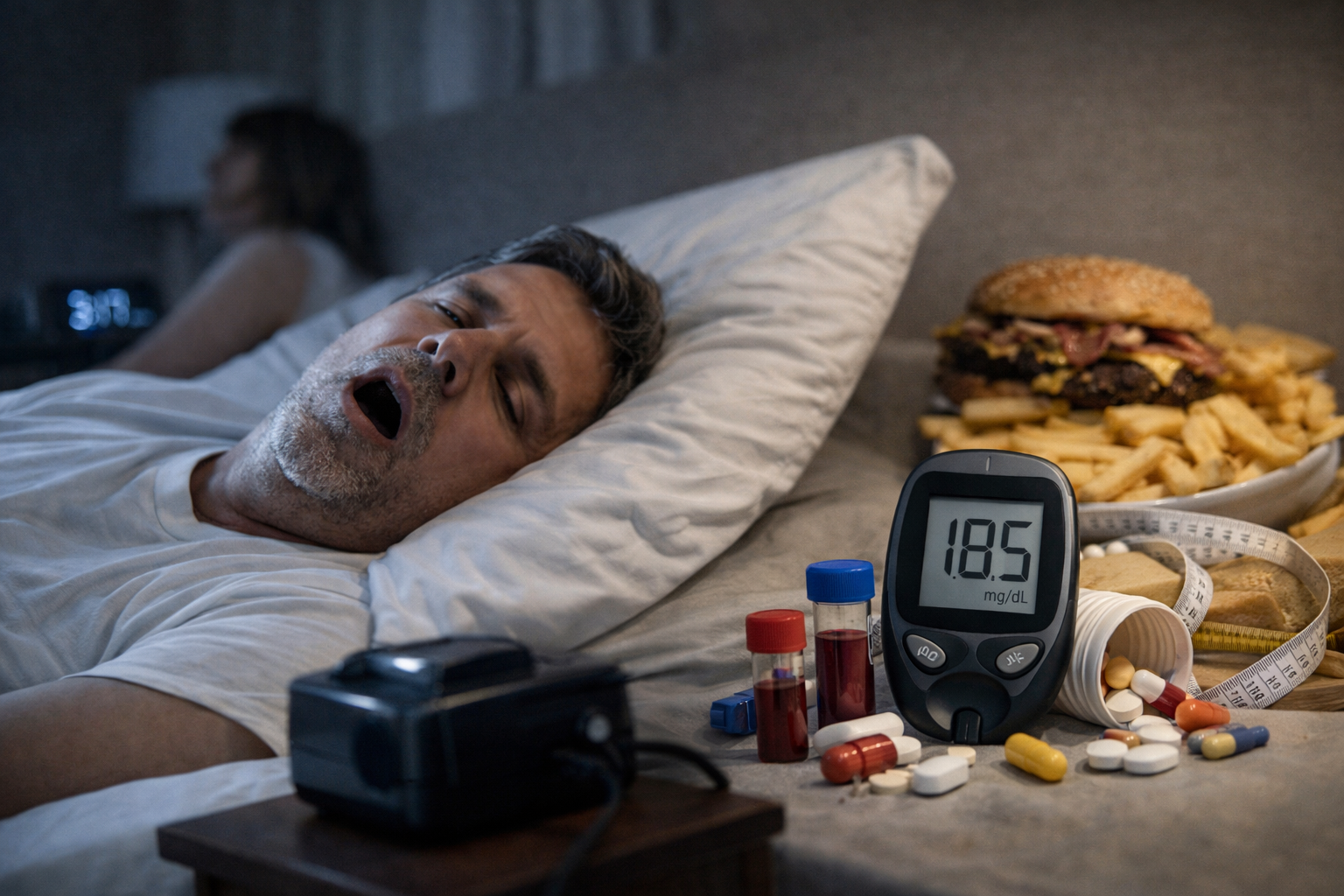
Sleep is a cornerstone of physical health, yet millions of people live with undiagnosed or untreated sleep conditions that silently damage their bodies over time. The connection between sleep disorders and heart health is especially critical, as disrupted sleep places continuous strain on the cardiovascular and metabolic systems. At El Paso Sleep Center, we regularly see how untreated sleep disorders contribute to serious long-term health consequences that often go unnoticed until significant damage has occurred.
While fatigue and poor concentration are commonly recognized symptoms, the deeper effects of sleep disorders reach far beyond daytime tiredness. They influence blood pressure, glucose regulation, inflammation, and hormone balance—key factors in overall health and longevity.
Why Sleep Is Essential for Cardiovascular Function
During healthy sleep, the body enters a restorative state. Heart rate slows, blood pressure drops, and blood vessels relax. These nightly processes give the cardiovascular system time to recover from daily stress.
When sleep is disrupted repeatedly, the heart and blood vessels lose this recovery period. Instead, the body remains in a heightened state of alert, releasing stress hormones that increase heart rate and constrict blood vessels. Over time, this persistent strain raises the risk of serious cardiovascular conditions.
The Cardiovascular Impact of Sleep Apnea
One of the most researched connections in sleep medicine is sleep apnea cardiovascular risk. Obstructive sleep apnea causes repeated breathing interruptions throughout the night, each triggering brief awakenings and drops in oxygen levels.
These events lead to:
- Surges in blood pressure
- Increased heart rate variability
- Elevated stress hormone release
- Chronic inflammation
- Reduced oxygen delivery to vital organs
Over months and years, these changes significantly increase the likelihood of heart disease, heart attack, stroke, and arrhythmias.
How Sleep Disorders Disrupt Metabolic Balance
The relationship between sleep and metabolism is complex and deeply interconnected. Sleep and metabolic health are linked through hormones that regulate appetite, insulin sensitivity, and energy storage.
When sleep is fragmented or shortened:
- Insulin resistance increases
- Blood sugar regulation becomes impaired
- Appetite-stimulating hormones rise
- Satiety hormones decrease
- Fat storage becomes more efficient
These changes make it easier to gain weight and harder to maintain metabolic balance, even with healthy eating habits.
The Connection Between Sleep Apnea and High Blood Pressure
A particularly dangerous combination is high blood pressure and sleep apnea. Repeated oxygen drops and awakenings activate the sympathetic nervous system, keeping blood pressure elevated not only at night but throughout the day.
Unlike typical hypertension, sleep-related blood pressure issues often:
- Resist standard medications
- Show poor nighttime blood pressure dipping
- Increase strain on the heart muscle
- Raise the risk of stroke and heart failure
Treating the underlying sleep disorder can significantly improve blood pressure control and reduce cardiovascular risk.
Sleep Disorders and Blood Sugar Regulation
Another critical link exists between sleep disorders and diabetes. Disrupted sleep alters how the body processes glucose, increasing insulin resistance and impairing pancreatic function.
Research shows that individuals with untreated sleep disorders are more likely to:
- Develop type 2 diabetes
- Experience poor blood sugar control
- Require higher medication doses
- Struggle with weight management
- Face increased cardiovascular complications
Sleep disruption amplifies metabolic dysfunction, creating a cycle that becomes harder to break without proper diagnosis and treatment.

The Long-Term Consequences of Ignoring Sleep Apnea
The long term effects of untreated sleep apnea extend beyond fatigue and snoring. When left unmanaged, the condition contributes to progressive damage across multiple body systems.
Potential consequences include:
- Chronic hypertension
- Heart disease and stroke
- Metabolic syndrome
- Type 2 diabetes
- Cognitive decline
- Increased risk of sudden cardiac events
Because symptoms develop gradually, many patients underestimate the seriousness of the condition until complications arise.
Inflammation: The Hidden Link Between Sleep and Disease
Chronic sleep disruption triggers systemic inflammation, a key contributor to both cardiovascular and metabolic disease. Elevated inflammatory markers damage blood vessels, impair insulin signaling, and accelerate plaque buildup in arteries.
This inflammatory response explains why untreated sleep disorders are associated with:
- Atherosclerosis
- Increased clot formation
- Impaired endothelial function
- Worsening metabolic control
Reducing inflammation through effective sleep treatment can significantly lower long-term health risks.
Why Symptoms Are Often Overlooked
Many individuals normalize symptoms such as snoring, daytime fatigue, or morning headaches. Others assume that stress, aging, or lifestyle alone are responsible for their health concerns.
Common overlooked warning signs include:
- Loud or chronic snoring
- Gasping or choking during sleep
- Excessive daytime sleepiness
- Morning headaches
- Difficulty concentrating
- Unexplained weight gain
Without proper evaluation, the underlying sleep disorder continues to silently impact the heart and metabolism.
The Benefits of Early Diagnosis and Treatment
Identifying and treating sleep disorders early can dramatically improve health outcomes. Patients often experience improvements not only in sleep quality but also in blood pressure, blood sugar control, energy levels, and overall cardiovascular health.
Treatment may include:
- Positive airway pressure therapy
- Oral appliance therapy
- Lifestyle and sleep habit adjustments
- Weight management support
- Ongoing sleep monitoring
At El Paso Sleep Center, treatment plans are personalized to address both sleep quality and long-term health protection.
Conclusion
Sleep disorders are not just nighttime issues—they are powerful drivers of cardiovascular and metabolic disease when left untreated. Disrupted sleep places ongoing stress on the heart, blood vessels, and metabolic systems, increasing the risk of serious health complications over time. With early evaluation, accurate diagnosis, and personalized treatment, individuals can protect their long-term health, restore restorative sleep, and significantly improve overall quality of life. Better sleep is not optional—it is essential for a healthier future.