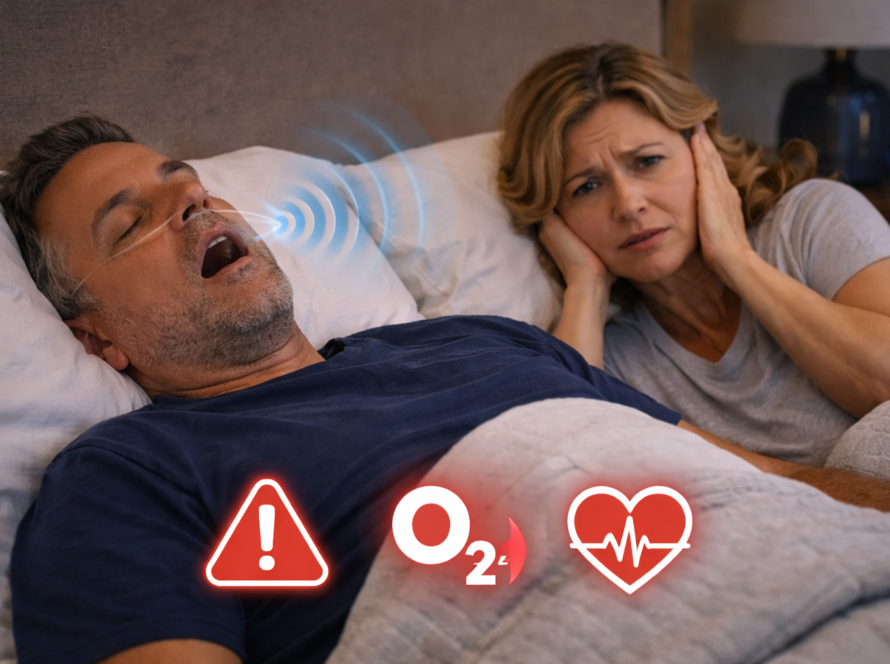
Sleep disorders affect millions of people, yet many remain undiagnosed for years. One of the biggest reasons is uncertainty about testing: where to go, what to expect, and which option best fits individual needs. Today, patients have more flexibility than ever, including the at home sleep test, which offers convenience and accessibility without sacrificing accuracy in appropriate cases. At El Paso Sleep Center, we help patients understand their choices so they can move forward with confidence.
Choosing the right type of sleep evaluation can make a significant difference in comfort, diagnosis accuracy, and treatment success. Understanding how different testing methods work is the first step toward better sleep and improved overall health.
Why Sleep Testing Matters
Sleep disorders do not only affect nighttime rest—they influence cardiovascular health, mental clarity, mood regulation, metabolism, and daytime safety. Without proper testing, symptoms like fatigue, headaches, or poor concentration may be misattributed to stress or aging.
Sleep studies allow specialists to measure breathing patterns, oxygen levels, heart rate, brain activity, and sleep stages. These insights are critical for identifying conditions such as sleep apnea, insomnia-related disorders, movement disorders, and circadian rhythm disruptions.
Understanding At-Home Sleep Testing
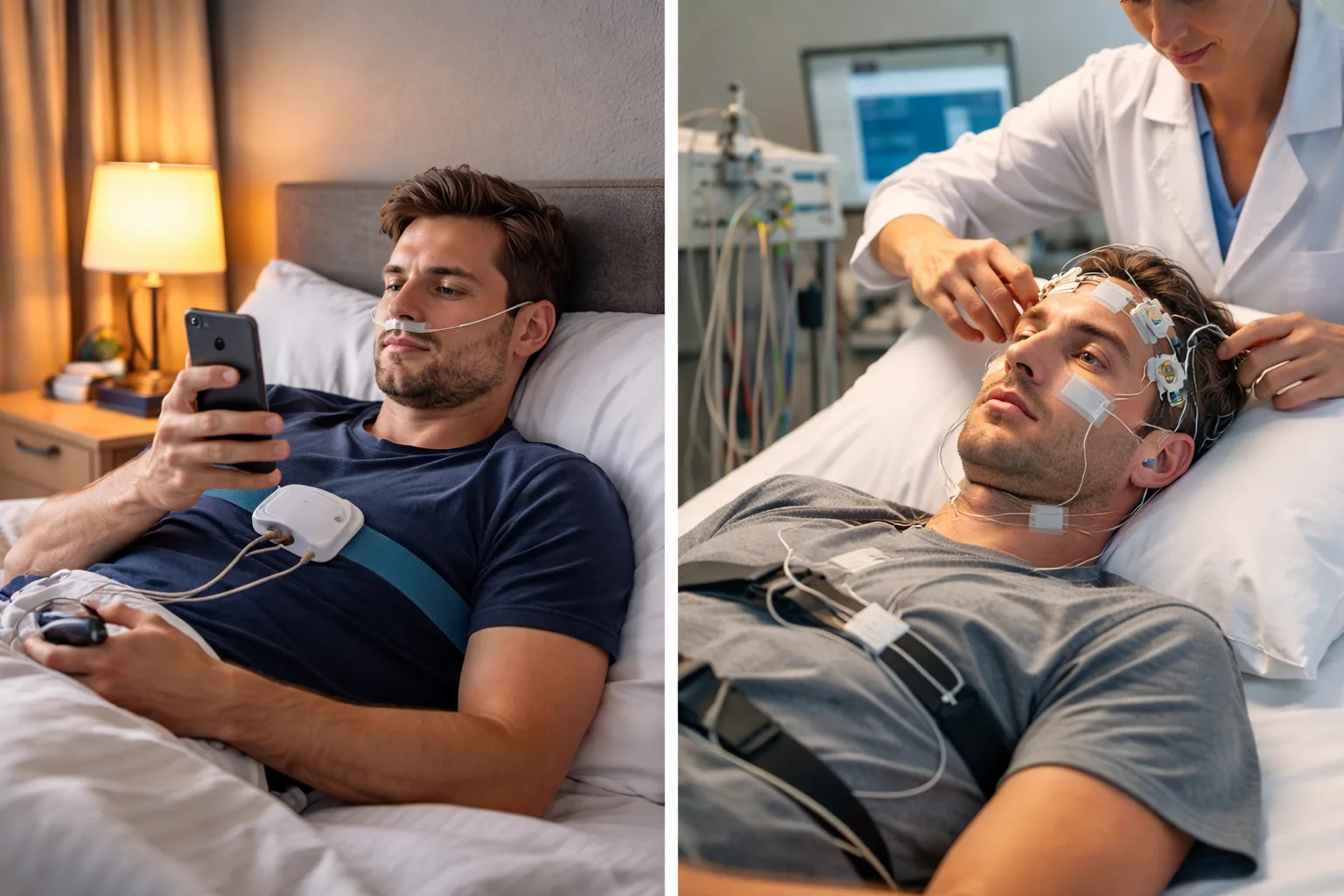
An at home sleep test is a simplified diagnostic tool designed to evaluate breathing patterns during sleep in a familiar environment. This option has grown in popularity due to its convenience and ability to capture more natural sleep patterns.
At-home testing typically involves:
- A small portable monitoring device
- Sensors placed on the chest or finger
- Measurement of airflow, oxygen levels, and respiratory effort
- One or two nights of testing
- Data analysis by a sleep specialist
Because patients sleep in their own bed, anxiety and discomfort are often reduced, leading to more representative results for certain conditions.
What Is a Home Sleep Apnea Test?
A home sleep apnea test is specifically designed to detect breathing-related sleep disorders, particularly obstructive sleep apnea. This test focuses on identifying pauses in breathing, oxygen drops, and airflow limitations that occur during sleep.
This type of testing is often recommended for patients who:
- Have a high likelihood of sleep apnea
- Experience loud snoring or gasping at night
- Have excessive daytime sleepiness
- Do not have complex medical conditions
- Prefer testing outside of a clinical setting
While highly effective for many patients, it is not intended to diagnose every type of sleep disorder.
When an In-Lab Sleep Study Is Recommended
An in lab sleep study is the most comprehensive form of sleep evaluation. Conducted overnight in a controlled clinical environment, it allows sleep technologists to monitor multiple physiological signals simultaneously.
An in-lab study typically records:
- Brain waves (EEG)
- Eye movement
- Muscle activity
- Heart rhythm
- Breathing patterns
- Oxygen levels
- Body movement
This option is often recommended when symptoms are complex, when previous testing was inconclusive, or when conditions beyond sleep apnea are suspected.
Comparing Sleep Study Options
Understanding available sleep study options helps patients make informed decisions based on their symptoms, lifestyle, and medical history.
At-Home Testing:
- Convenient and comfortable
- Conducted in your own bed
- Fewer sensors
- Lower cost
- Best for uncomplicated cases
In-Lab Testing:
- Highly detailed monitoring
- Supervised by trained technologists
- Ideal for complex or unclear symptoms
- Diagnoses a broader range of disorders
- Allows immediate intervention if needed
Both approaches are valuable, and neither is inherently “better”—the right choice depends on the individual.

The Rise of Sleep Apnea Testing at Home
Advancements in technology have made sleep apnea testing at home more accurate and accessible than ever. Portable devices now provide reliable data that closely mirrors in-lab results for many patients.
Benefits of home testing include:
- Reduced wait times
- Greater accessibility for rural patients
- Increased likelihood of completing the test
- More natural sleep conditions
- Faster path to treatment initiation
For patients with classic sleep apnea symptoms, home testing can be a highly effective first step.
Limitations of At-Home Testing
While convenient, home sleep testing does have limitations. It does not capture brain activity or sleep stages, and it may miss non-breathing-related sleep disorders.
At-home testing may not be appropriate for individuals with:
- Neuromuscular conditions
- Significant heart or lung disease
- Suspected narcolepsy
- Parasomnias such as sleepwalking
- Insomnia as the primary complaint
In these cases, in-lab testing provides the depth of information needed for accurate diagnosis.
Diagnosing Sleep Disorders Accurately
Accurate diagnosing sleep disorders requires matching the right test to the right symptoms. A proper evaluation includes a detailed medical history, symptom review, and clinical judgment—not just test results alone.
Sleep specialists consider factors such as:
- Daytime fatigue levels
- Bed partner observations
- Medical history
- Lifestyle habits
- Work schedule and stress levels
At El Paso Sleep Center, testing is always paired with expert interpretation to ensure patients receive clear answers and personalized treatment recommendations.
What Happens After Testing?
Regardless of testing method, the goal is effective treatment. Once results are analyzed, patients receive guidance tailored to their diagnosis. Treatment may include:
- CPAP or oral appliance therapy
- Lifestyle and sleep habit adjustments
- Behavioral therapy
- Medical management
- Follow-up testing if needed
Early diagnosis and treatment significantly improve sleep quality, energy levels, cardiovascular health, and overall quality of life.
How to Choose the Right Option
Choosing between home and in-lab testing depends on several factors:
- Symptom severity
- Medical history
- Comfort level with clinical settings
- Scheduling flexibility
- Insurance coverage
A sleep specialist can help determine which approach is most appropriate, ensuring both accuracy and patient comfort.
Conclusion
Sleep testing is a powerful step toward better health, clarity, and daily functioning. Whether completed at home or in a clinical setting, the right evaluation can uncover hidden issues that silently impact quality of life. By choosing the testing approach that aligns with individual symptoms and needs, patients can move confidently toward effective treatment and more restorative sleep. With expert guidance and personalized care, better nights—and better days—are well within reach.