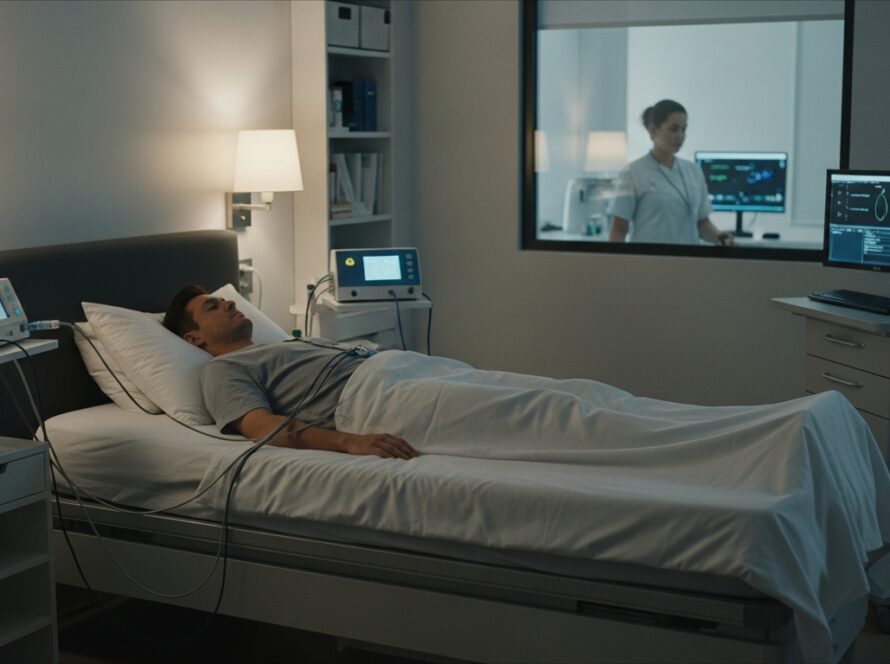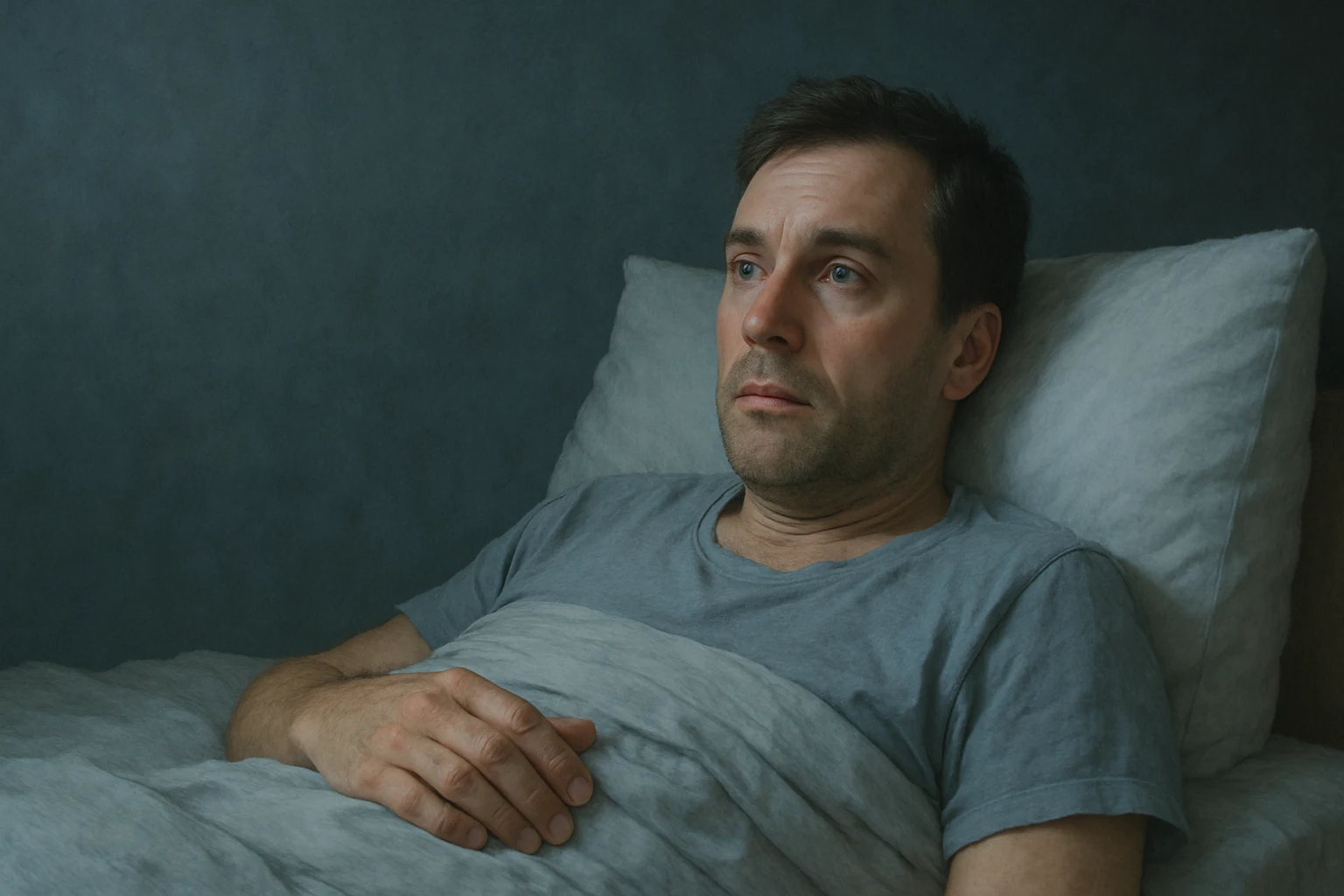
When drifting into or emerging from sleep, some people experience vivid sensations that blur the line between dreaming and waking reality. These intense episodes, known as hypnagogic hallucinations, affect individuals of all ages and can be startling — especially when they involve realistic images, sounds, or feelings of presence. At El Paso Sleep Center, understanding why these events happen and how to manage them is key to helping patients regain confidence in their nighttime rest.
These phenomena belong to a broader category of sleep hallucinations, which occur at the delicate boundary between consciousness and dreaming. While they are often harmless, they can be deeply unsettling, especially when connected to other sleep disruptions. Exploring how these experiences arise can help individuals understand what is normal and when professional guidance becomes important.
Understanding Hypnagogic Hallucinations
Hypnagogic hallucinations occur during the transition from wakefulness into sleep. During this phase, the brain gradually disconnects from external stimuli and enters early sleep stages. In some people, the dreaming mechanism activates prematurely, creating a blend of wake-like awareness and dream-like imagery.
These sensations often involve:
- Vivid visual scenes
- Auditory experiences such as voices or environmental sounds
- Tactile sensations like floating or pressure
- A sense of presence in the room
Although they can be intense, hypnagogic experiences are usually brief and fade once the brain fully enters deeper sleep.
The Role of Hypnopompic Episodes
Unlike hypnagogic episodes, hypnopompic hallucinations occur while waking up. As the brain transitions from REM sleep into full consciousness, fragments of dreams may spill into awareness. Because the body is still partially immobilized from sleep mechanisms, these episodes can feel disturbingly real.
People may experience:
- Visual forms or figures
- Sounds that seem to occur externally
- A lingering continuation of the dream
- Difficulty distinguishing dream content from reality
These episodes often feel more intrusive because the person is already conscious of their surroundings, making the hallucination appear more believable.
Connections to Sleep Paralysis
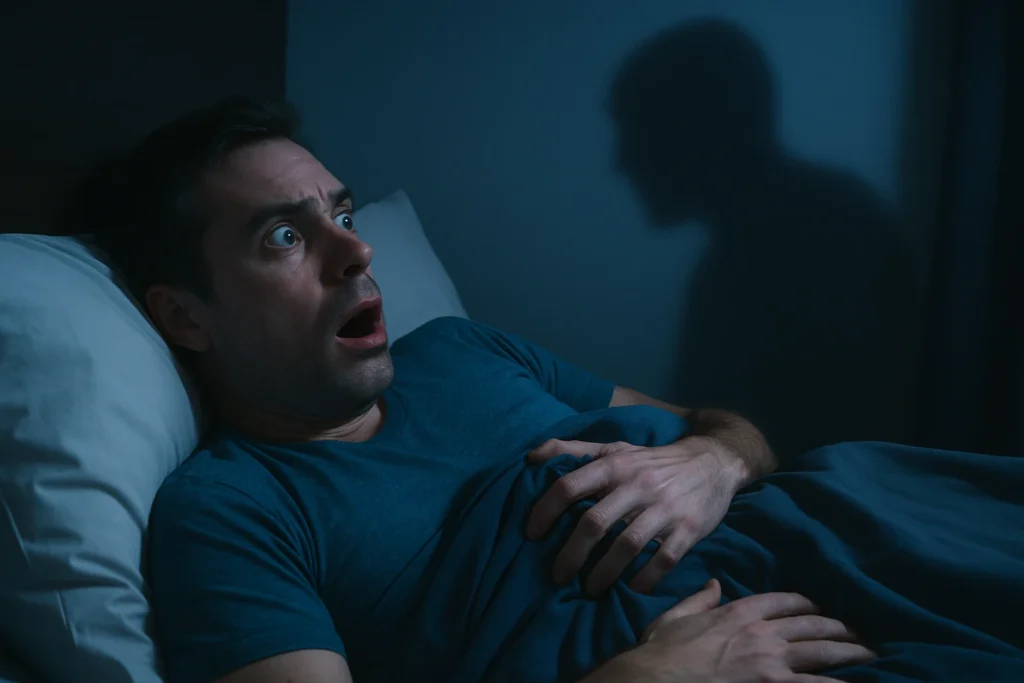
One of the most distressing aspects of these episodes is when they occur alongside sleep paralysis, a temporary inability to move or speak while falling asleep or waking. During REM sleep, the body naturally restricts muscle activity to keep dream movements from being acted out. When consciousness returns before the paralysis fades, vivid hallucinations can merge with the immobility, amplifying fear.
Common features include:
- A sensation of pressure on the chest
- A feeling of being watched
- Inability to call out or move
- Overwhelming realism of hallucinations
Though they feel alarming, these episodes are not dangerous and typically last only a few seconds.
Why Do These Hallucinations Happen?
Understanding the neurological and physiological triggers behind these events can help reduce worry. They are closely linked to dream mechanisms, nighttime transitions, and irregularities in REM sleep.
1. REM Sleep Dysregulation
Disturbances in REM cycles may lead dream imagery to “bleed” into consciousness. This contributes to misfiring perceptual signals and heightened REM symptoms.
2. Fragmented Sleep or Sleep Deprivation
When the body is overtired, transitions into REM sleep become abrupt, making hallucination episodes more likely.
3. Stress and Emotional Factors
High stress levels heighten arousal and disrupt natural sleep architecture, increasing the likelihood of hallucinations at sleep boundaries.
4. Medications or Substances
Certain medications, especially those affecting neurotransmitters, can alter REM timing and intensity.
5. Coexisting Sleep Disorders
Insomnia, narcolepsy, and other conditions may increase the frequency and vividness of hallucinations.
6. Genetic and Neurological Factors
Some individuals are naturally predisposed to experiencing dream-like activity while conscious.
Although these episodes can be unsettling, they often indicate disturbances in sleep transitions rather than a psychiatric condition.
How These Episodes Affect Well-Being
Even when not harmful, hallucinations at sleep boundaries can leave individuals feeling anxious about going to bed or waking up. The fear of recurring episodes may increase insomnia, creating a cycle in which sleep becomes fragmented and hallucinations become more frequent.
Potential side effects include:
- Elevated nighttime anxiety
- Difficulty returning to sleep after an episode
- Increased daytime fatigue
- Hypervigilance at bedtime
- Emotional distress
A comprehensive evaluation from a sleep specialist can help distinguish normal transitional experiences from more complex sleep concerns.
Approaches to Managing Nighttime Hallucinations
Many strategies can help reduce the frequency and intensity of these episodes. Since they are strongly tied to REM activity, lifestyle adjustments often produce significant relief.
1. Improving Sleep Hygiene
Maintaining consistent sleep schedules strengthens circadian rhythms and stabilizes transitions between sleep stages.
2. Reducing Emotional and Physical Stress
Relaxation techniques may decrease nighttime arousal and restore smoother neurological transitions.
3. Screening for Sleep Disorders
Testing for insomnia, narcolepsy, or breathing disturbances can reveal underlying contributors.
4. Reviewing Medications
Adjustments may help reduce hallucination episodes if associated with changes in REM sleep.
5. Developing Awareness
Understanding the science behind these events often reduces fear, making the experiences easier to navigate.
6. Exploring Clinical Care Options
Professional evaluation can help identify whether additional interventions are necessary for persistent cases where episodes interfere with daily functioning.
Some individuals may benefit from structured treatment for sleep, especially when hallucinations are part of broader sleep disturbances. At El Paso Sleep Center, clinicians tailor recommendations to each patient’s symptoms, sleep patterns, and overall health.
Conclusion
Hallucinations that occur while falling asleep or waking can be vivid, emotional, and deeply confusing, but they are often linked to natural sleep transitions rather than dangerous conditions. Understanding why they occur helps reduce fear and encourages healthier rest. With proper guidance and evaluation, individuals can restore confidence in their nightly routines and wake feeling more grounded and refreshed.